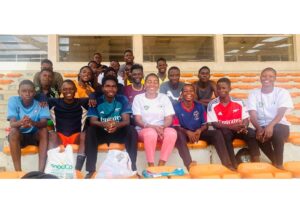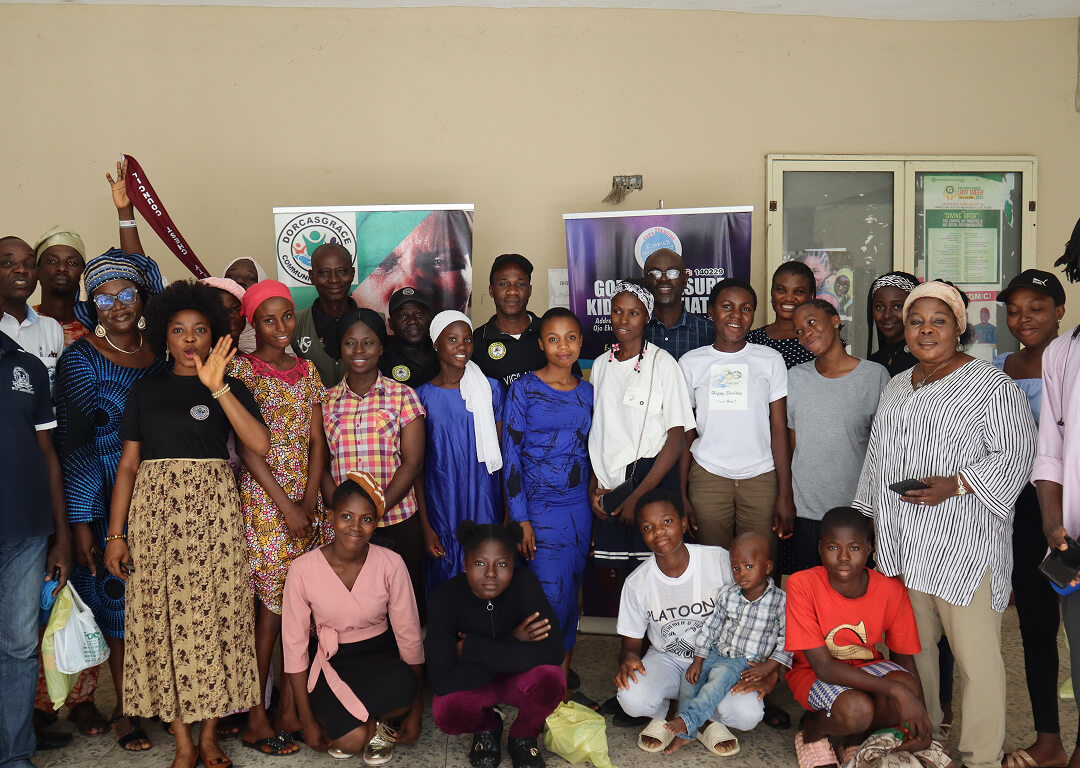
Street-connected adolescents in Oyo State have called for stronger action to address stigma associated with menstruation and the discrimination often experienced by survivors of sexual and gender-based violence (SGBV).
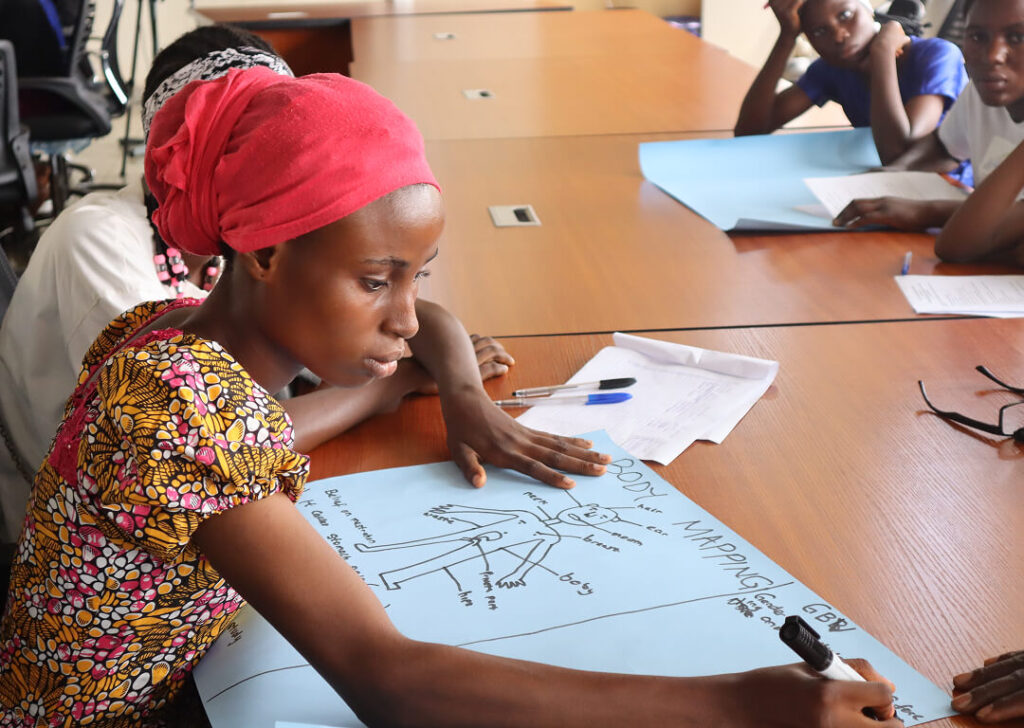
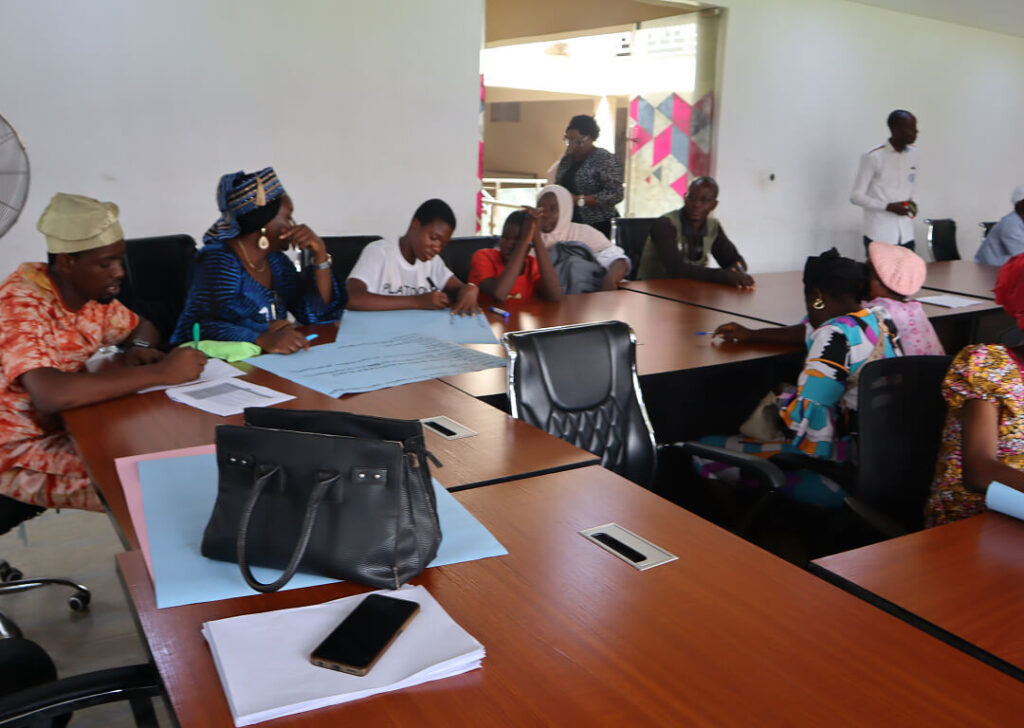
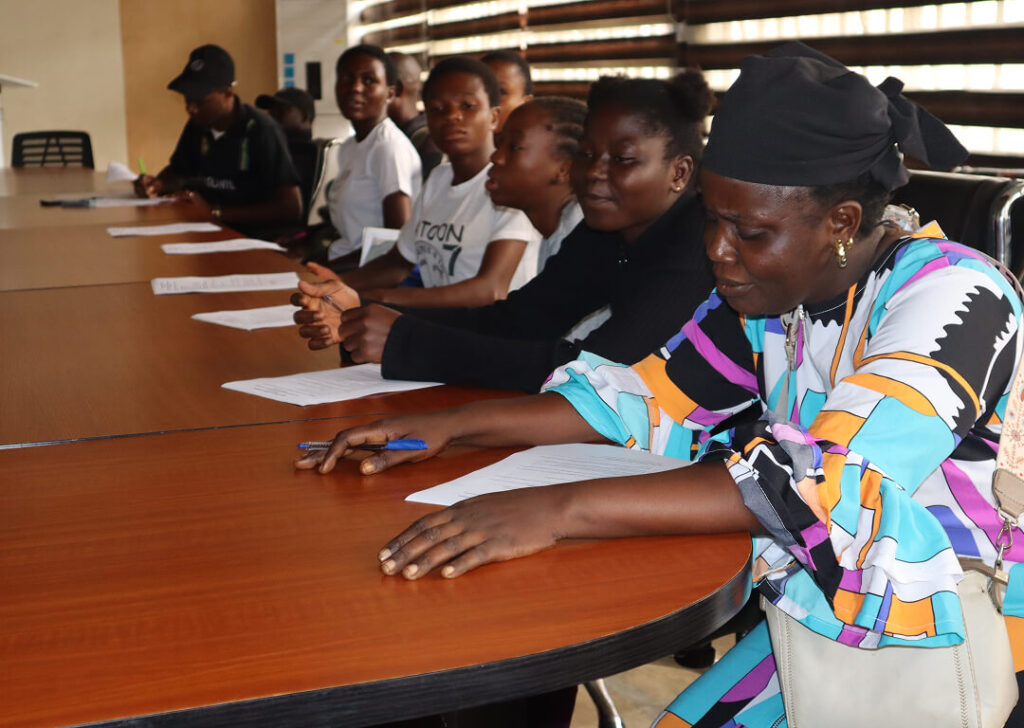
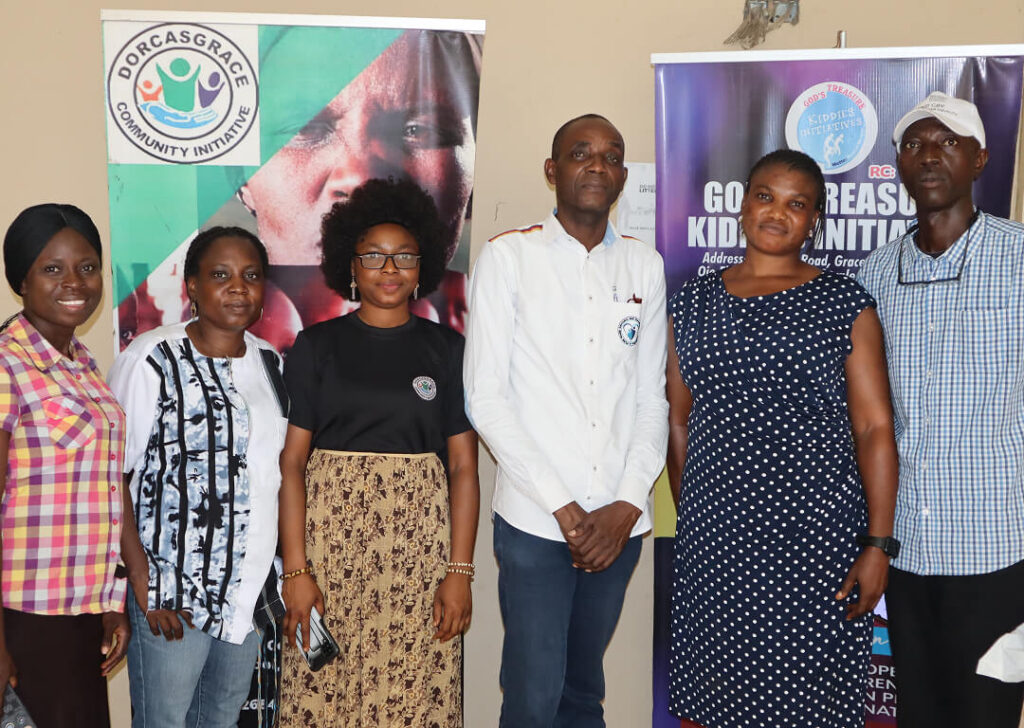
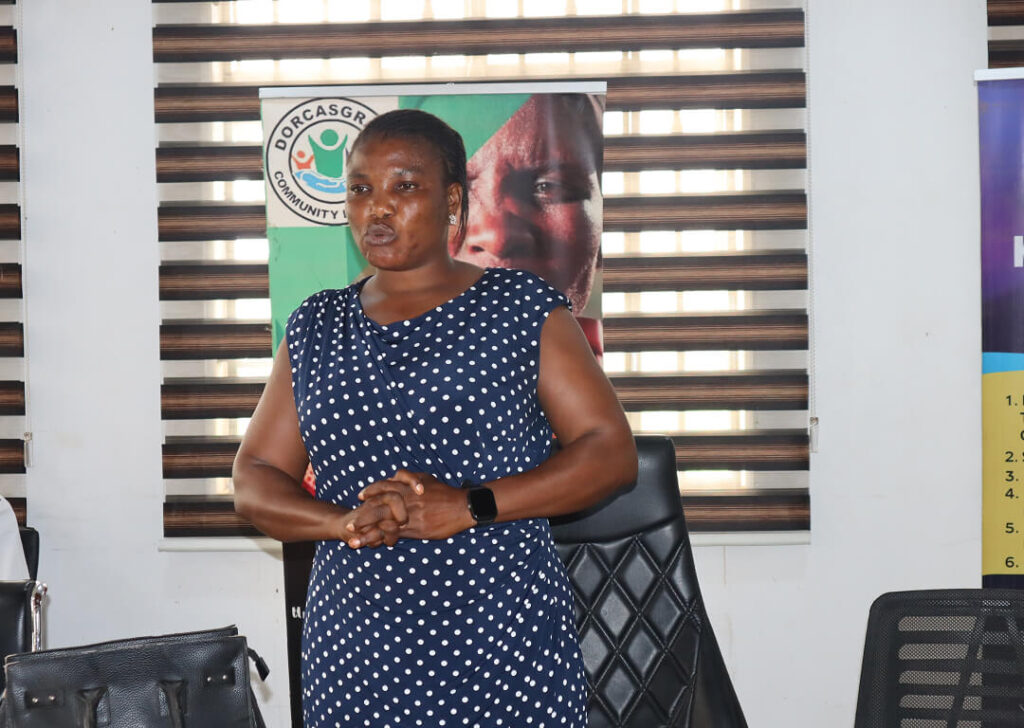
The call emerged during a consultative assessment organized by PLAN Health Advocacy and Development Foundation (PLAN Foundation) in collaboration with God’s Treasure Kiddies Initiative (GTKI) and DorcasGrace Community Initiative on 5 June 2025 at the Conference Hall of the Oyo State Ministry of Justice, Ibadan. The assessment provided a safe platform for participants to discuss their experiences, identify forms of stigma affecting vulnerable adolescents, and propose solutions for creating a more supportive and inclusive environment.
Understanding the Hidden Burden of Stigma
For many vulnerable girls and young women, the challenges associated with menstruation and gender-based violence extend beyond physical and emotional experiences. They are often compounded by stigma, discrimination, and negative social attitudes that affect self-esteem, wellbeing, and access to support services.
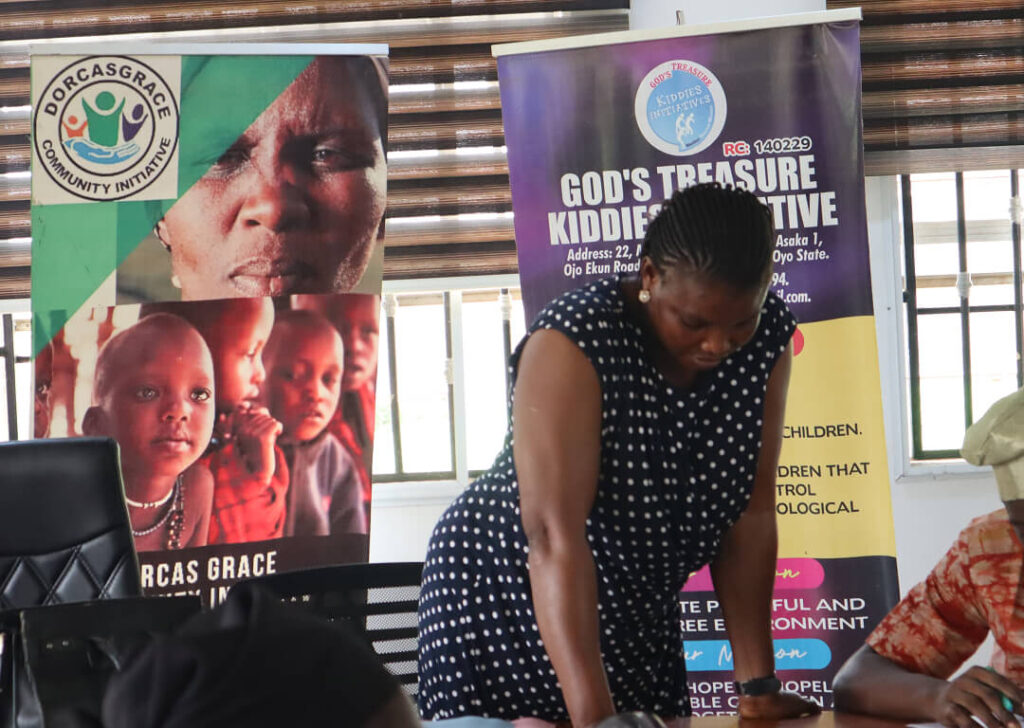
Participants described stigma as a form of negative labeling that follows individuals because of their experiences. Discussions revealed that adolescent girls and survivors of SGBV are frequently subjected to blame, stereotyping, ridicule, isolation, and social exclusion. In some cases, survivors are wrongly accused of causing the violence they experienced, while girls facing menstrual health challenges are mocked because of menstrual stains, body odour, or limited access to sanitary products.
The assessment highlighted how these experiences can lead to embarrassment, fear, depression, low self-confidence, and withdrawal from social activities. Participants noted that some girls isolate themselves during menstruation because they fear being ridiculed or exposed in public, especially when they cannot afford sanitary materials. Others explained that survivors of SGBV often face judgment and blame rather than support and protection.
Where Stigma Occurs
One of the most striking findings from the assessment was that stigma can occur in virtually every aspect of a young person’s life.
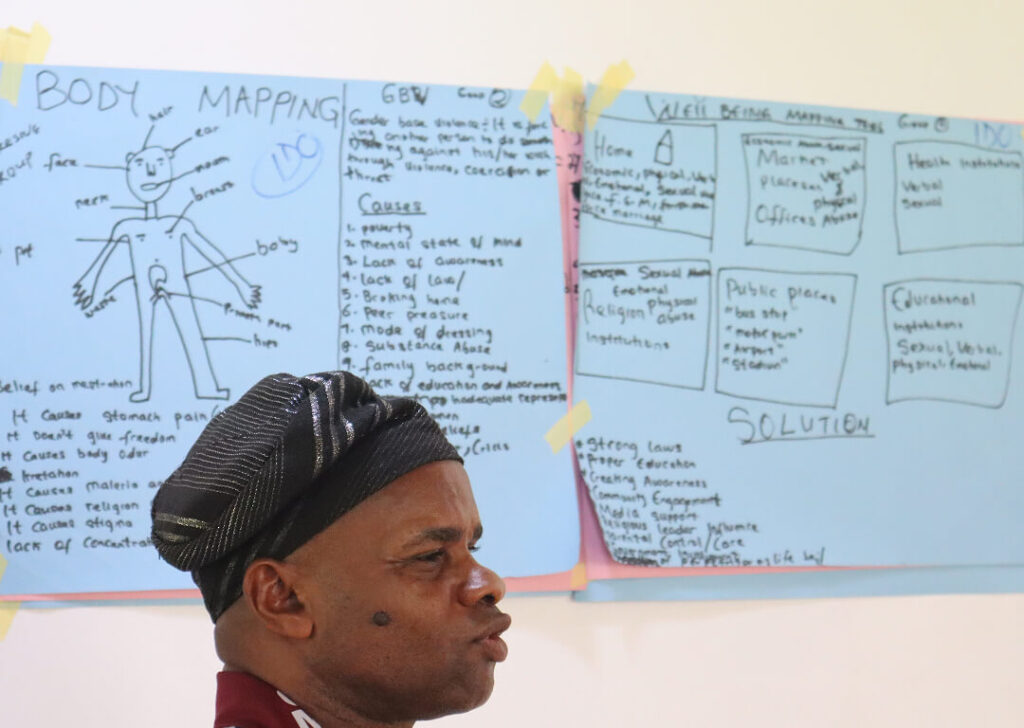
Participants identified schools, homes, religious institutions, workplaces, healthcare facilities, markets, and peer groups as common settings where girls and survivors experience discrimination. In schools, survivors may face exposure of their private experiences, leading to ridicule and exclusion. Within homes and communities, harmful beliefs and misconceptions about menstruation and gender-based violence often reinforce stigma and silence.
Healthcare settings were also highlighted as places where survivors sometimes experience secondary victimization. Participants expressed concerns about breaches of confidentiality and attitudes that place blame on survivors rather than focusing on support and care. Such experiences can discourage vulnerable young people from seeking medical attention, counselling, or legal assistance when they need it most.
The Reality for Street-Connected Adolescents
Street-connected adolescents face particularly complex challenges. Many have limited access to menstrual hygiene products, healthcare services, psychosocial support, and safe spaces where they can discuss sensitive issues. These challenges increase their vulnerability to both stigma and gender-based violence.
The assessment highlighted the link between poverty and menstrual health management. Participants explained that some girls are forced to use improvised materials because they cannot afford sanitary pads. This often increases the risk of embarrassment, discomfort, and social exclusion. The inability to manage menstruation safely and with dignity can affect school attendance, participation in community activities, and overall wellbeing.
At the same time, survivors of gender-based violence may face social judgment, rejection, and emotional distress that prevent them from reporting incidents or seeking support. Without effective intervention, these challenges can have lasting consequences for their mental health, safety, and future opportunities.
Young People Propose Solutions
Despite the challenges identified, participants demonstrated remarkable resilience and offered practical recommendations for addressing stigma and supporting vulnerable adolescents.
A key recommendation was the need for sustained public awareness and education on menstrual health, gender equality, and the rights of survivors of gender-based violence. Participants emphasized that communities, schools, religious institutions, and families all have a role to play in challenging harmful beliefs and creating supportive environments for girls and young women.
Participants also stressed the importance of counselling, psychosocial support, empathy, and emotional assistance for survivors. They called for stronger accountability measures to ensure that perpetrators of violence are held responsible for their actions while also discouraging behaviors that stigmatize survivors.
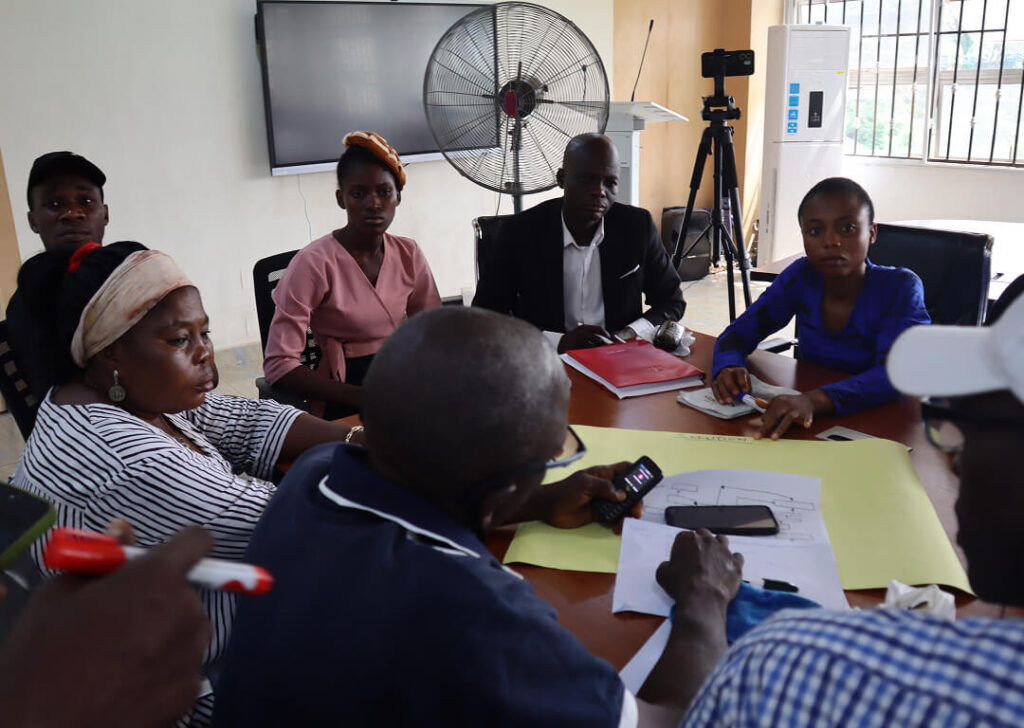
Other recommendations included improving access to healthcare services, providing support for menstrual pain management, strengthening community education programmes, and increasing access to sanitary products for vulnerable girls. Participants noted that ensuring access to menstrual hygiene products is not only a health issue but also a matter of dignity, confidence, and social inclusion.
Strengthening Community Action
For PLAN Foundation and its partners, the assessment reinforces the importance of addressing both the structural and social barriers that affect vulnerable adolescents. While progress has been made in raising awareness of sexual and reproductive health and rights, harmful attitudes and stigma continue to undermine the wellbeing of many girls and young women.
The collaboration between PLAN Foundation, God’s Treasure Kiddies Initiative, and DorcasGrace Community Initiative demonstrates the value of partnership in reaching underserved populations and ensuring that their voices are heard. By combining expertise in youth development, child protection, community engagement, and sexual and reproductive health, the organizations are working to create safer and more supportive environments for vulnerable adolescents.
Looking Ahead
The findings from the assessment will contribute to ongoing advocacy efforts aimed at improving menstrual health, reducing stigma, promoting survivor-centered responses to gender-based violence, and strengthening support systems for vulnerable adolescents in Oyo State.
PLAN Foundation remains committed to working with communities, government institutions, civil society organizations, and young people themselves to ensure that every adolescent can live with dignity, access appropriate support services, and exercise their rights without fear of discrimination or exclusion.
Through continued awareness, advocacy, and partnership, a future is possible where menstruation is treated as a normal part of life, survivors of violence receive the support they deserve, and every young person is empowered to reach their full potential.
PLAN Foundation is a member of the International Association of Providers of AIDS Care (IAPAC), the World Patients Alliance (WPA), the International AIDS Society (IAS), the Global Network of People Living with HIV (GNP+), the Stop TB Partnership, the International Alliance of Patients’ Organizations (IAPO), the International Union Against Tuberculosis and Lung Diseases (IUATLD), the Global Health Council (GHC), as well as various other relevant regional and global networks, movements, and professional associations aligned with its vision of a Nigeria where the individual, family, and community are adequately empowered to protect themselves against poverty, underdevelopment, and the spread of diseases.
For more details on PLAN Foundation, engage us on our social media accounts on
X (Twitter): @NG_PLAN
Instagram: @planfoundationng
Facebook: @PLANFoundationNG
YouTube: @PLANFoundationNG
Ifedayo Osemwegie,
Advocacy, Strategic Communication and Media Officer,
PLAN Health Advocacy and Development Foundation (PLAN Foundation)
+2348038320421
ifedayo@planfoundation.org.ng

![Read more about the article A Heartfelt Christmas Greeting from PLAN Health Advocacy and Development Foundation [PLAN Foundation]](https://planfoundation.org.ng/wp-content/uploads/2023/12/Heartfelt-Christmas-Greeting-from-PLAN-Foundation-300x225.jpg)