
Smoking in public places remains a significant public health concern in Nigeria, exposing both smokers and non-smokers to serious health risks. In Oyo State, despite the existence of national tobacco control legislation, smoking in public spaces continues to be widely observed, particularly in informal community settings, markets, transport hubs, and social gathering points.
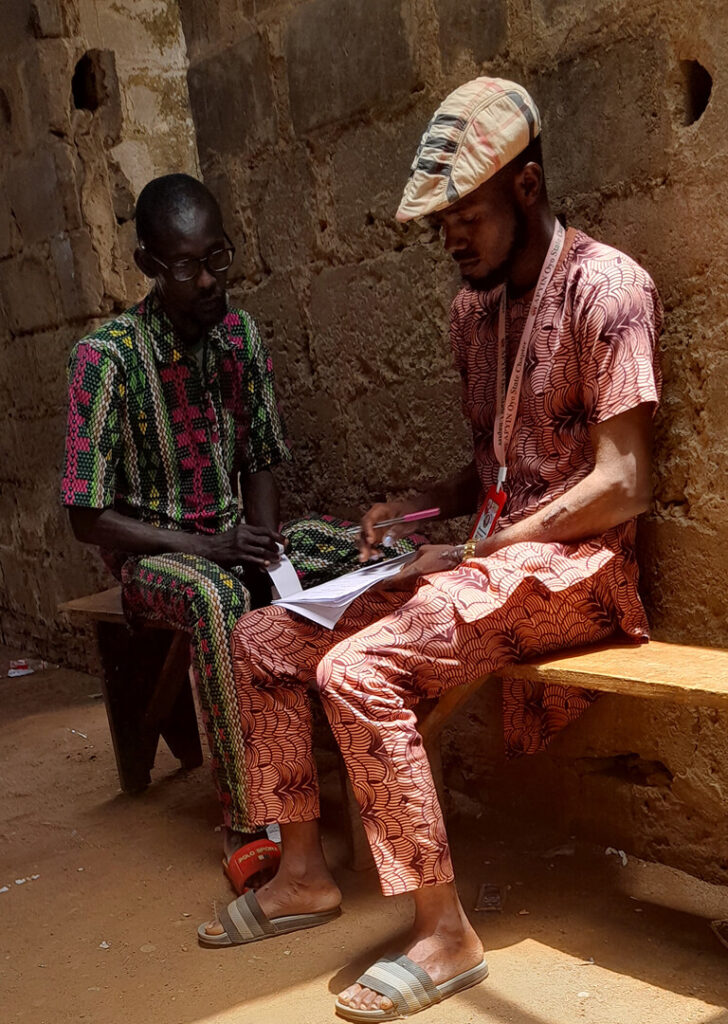
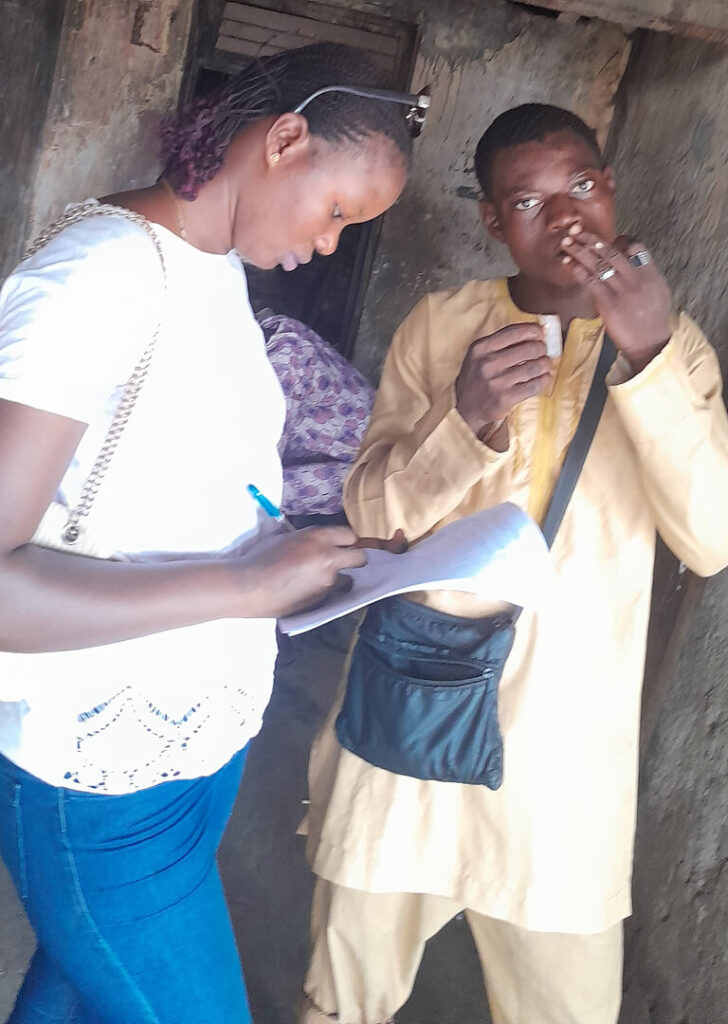
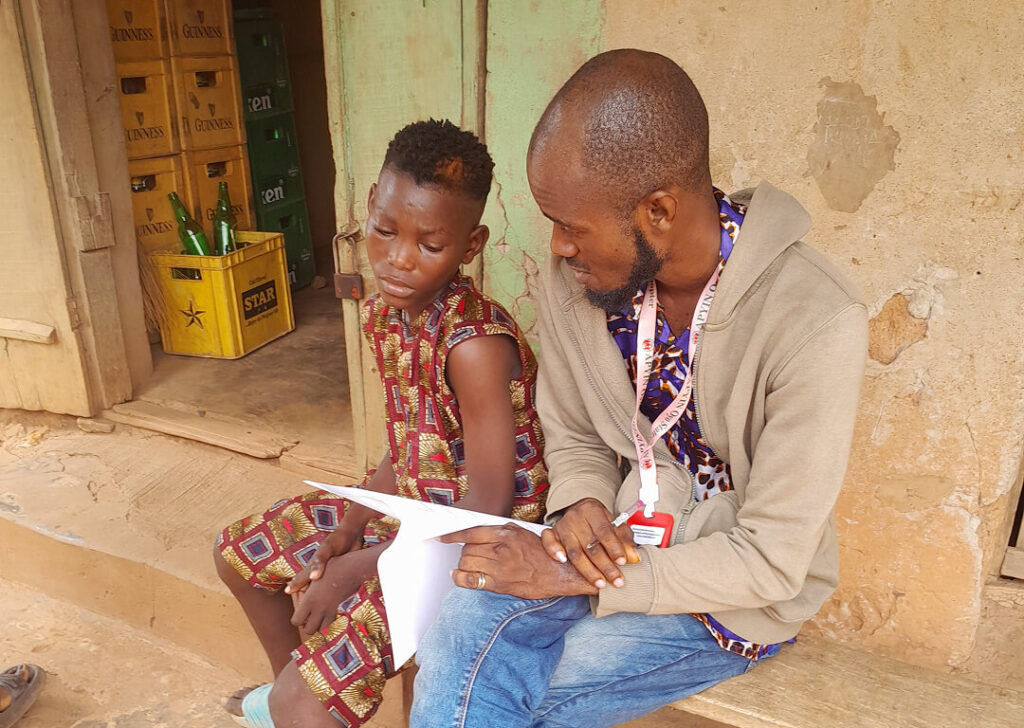
In response to this challenge, PLAN Health Advocacy and Development Foundation conducted a rapid community-based survey to assess the implementation of the law on prohibition of smoking in public spaces, as well as the knowledge, attitudes, and practices related to tobacco use among community members and workers.
This activity forms part of PLAN Foundation’s broader commitment to tobacco control advocacy, policy implementation monitoring, and public awareness promotion in Nigeria.
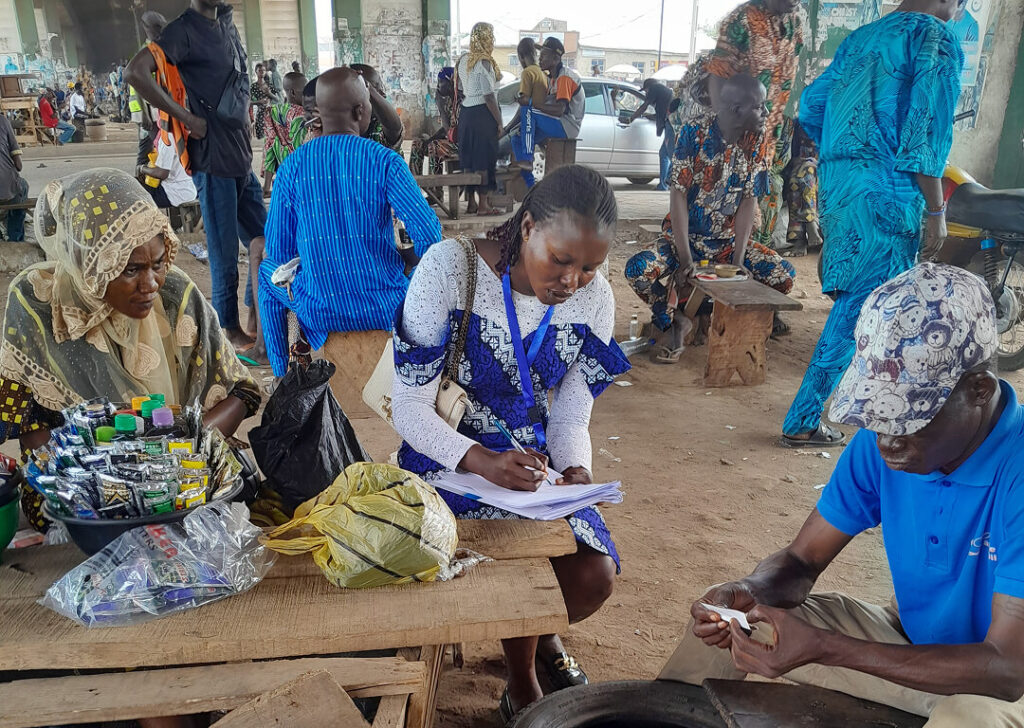
Objectives of the Survey
The survey was designed to:
- Assess public awareness of laws prohibiting smoking in public places
- Examine smoking prevalence and patterns among community members
- Understand attitudes toward smoking and smoke-free environments
- Identify gaps in enforcement and compliance at community level
- Generate evidence to support advocacy and sensitisation activities
Methodology
The survey employed a rapid random sampling approach across selected communities in Oyo State. Data were collected using a structured questionnaire covering:
- Socio-demographic characteristics
- Tobacco use history and frequency
- Knowledge and perceptions of smoking-related health risks
- Exposure to smoking in public places
- Awareness of smoking policies and enforcement
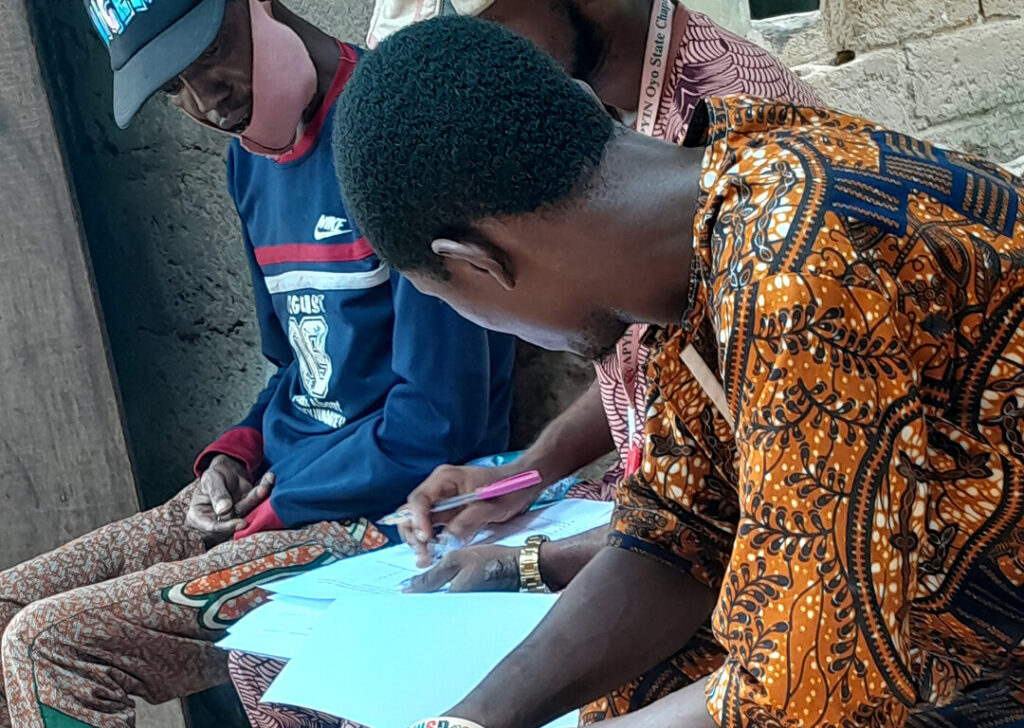
Coverage
Data collection was carried out across several communities including Gate, Bere, Idi-Arere, Molete, Sango, Agbowo, Ojoo, Olomi, Oranyan, and Oje communities. Respondents included students, workers, traders, self-employed persons, and public workers, aged approximately 12 years and above.
Key Findings
1. Smoking Prevalence and Patterns
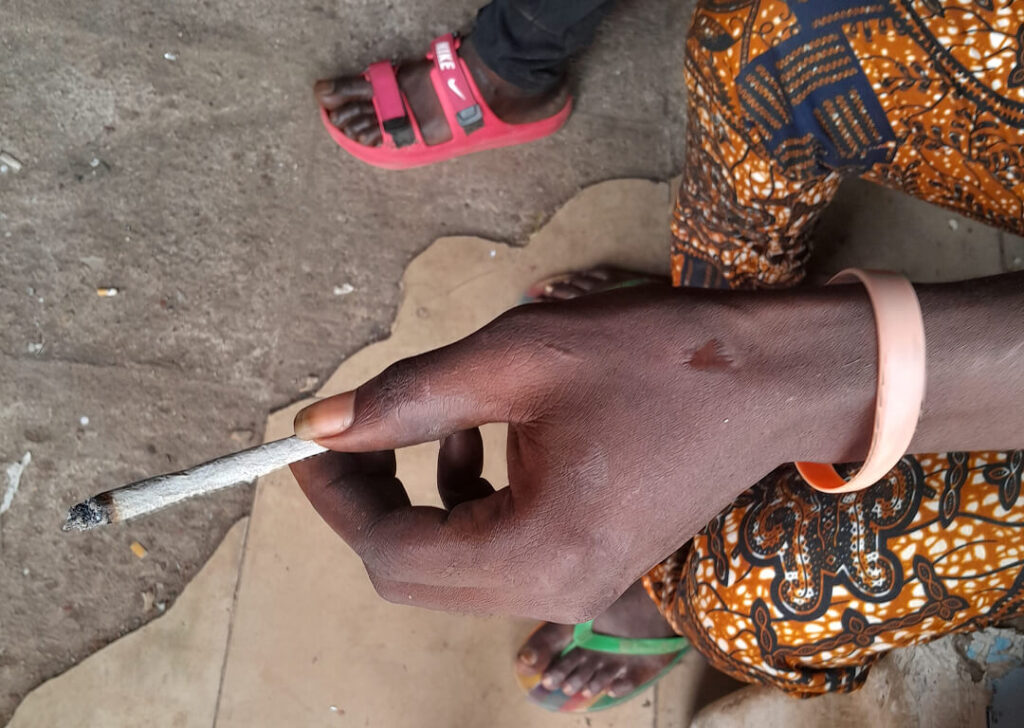
Findings from the field survey indicate that the number of people who smoke tobacco was higher than those who do not smoke across the sampled communities. Smoking prevalence was notably higher among male respondents, with the 26–30 age group recording the highest proportion of smokers.
In addition, students and young people were observed among current smokers, pointing to early initiation and normalisation of tobacco use within community settings.
The PLAN Foundation conducts surveys related to smoking in public places, focusing on the knowledge, attitude, and prevalence of cigarette smoking among public workers and community members. The survey highlights that a significant percentage of male students reported being current smokers, indicating a notable trend in tobacco use among this demographic. This information is part of the foundation’s ongoing efforts to address public health issues and promote awareness about smoking in various settings.
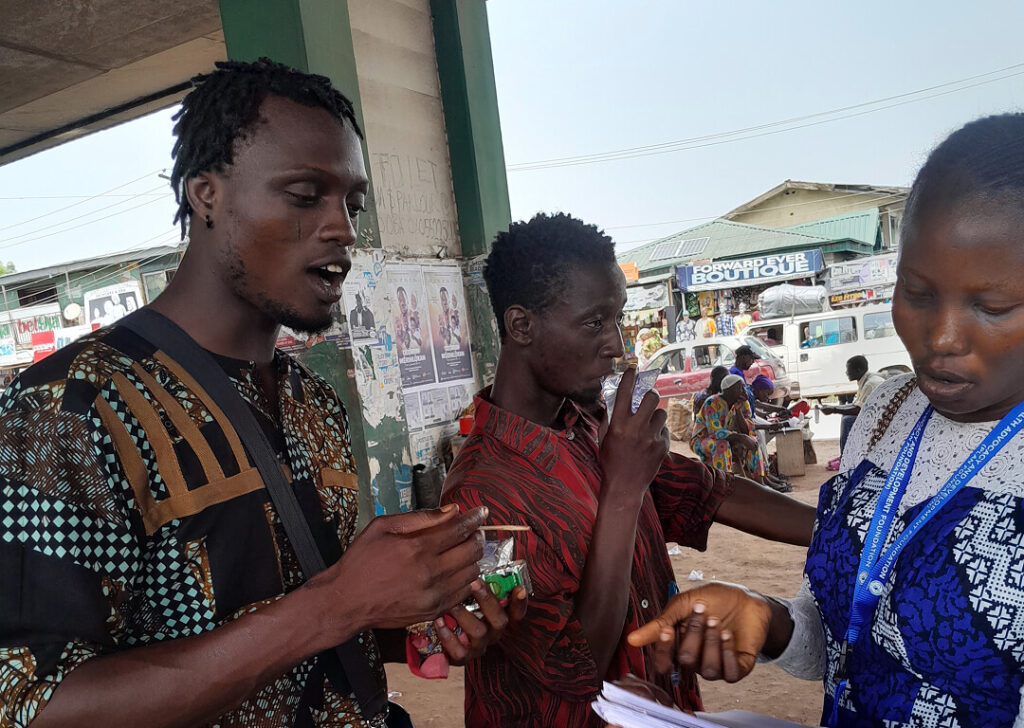
2. Knowledge, Attitudes, and Perceptions
While many respondents acknowledged that smoking causes serious illnesses such as lung cancer, heart disease, stroke, and tuberculosis, knowledge did not consistently translate into behaviour change.
Some respondents reported smoking:
- For stress relief or “to kill depression”
- For social identity or perceived status
- Despite previous medical advice to quit
In some communities, particularly Bere, respondents expressed the belief that they could smoke anytime and anywhere, with little awareness or concern about existing laws prohibiting smoking in public places.
3. Exposure to Smoking in Public Places
Respondents reported frequent exposure to smoking in:
- Workplaces
- Markets
- Public transport
- Restaurants, bars, and informal social spaces
- School and community environments
This highlights weak enforcement of smoke-free regulations and limited accountability mechanisms at the community level.
Policy Context
Nigeria’s National Tobacco Control Act (2015) prohibits smoking in many public spaces, including public transport, workplaces, restaurants, bars, and other public gathering areas. However, findings from this survey demonstrate that policy awareness and enforcement remain inadequate at sub-national and community levels, particularly in informal settings.
Challenges Encountered During Data Collection
- Reluctance of smokers to be photographed due to fear of stigma or legal consequences
- Dependence on cigarette vendors to access respondents
- Difficulty accessing respondents during Ramadan in some communities
- General mistrust and limited cooperation in certain locations
Despite these challenges, sufficient data were gathered to provide meaningful insights into smoking practices and policy implementation gaps.
Recommendations
Based on survey findings, PLAN Foundation recommends:
- Expanded public sensitisation on the dangers of smoking and second-hand smoke
- Community-level education on the existence and importance of smoke-free laws
- Targeted interventions for young people and students, particularly males
- Strengthened enforcement mechanisms in markets, transport hubs, and workplaces
- Partnerships with state and local authorities to translate policy into practice
Conclusion
Smoking in public places remains widespread in Oyo State, driven by low awareness, weak enforcement, and entrenched social norms. The findings from this rapid survey underscore the urgent need for coordinated tobacco control actions, combining policy enforcement, public education, and community engagement.
PLAN Health Advocacy and Development Foundation remains committed to generating evidence, supporting advocacy, and working with stakeholders to promote smoke-free public spaces and healthier communities in Oyo State and beyond.
PLAN Foundation is a member of the International Association of Providers of AIDS Care (IAPAC), the World Patients Alliance (WPA), the International AIDS Society (IAS), the Global Network of People Living with HIV (GNP+), the Stop TB Partnership, the International Alliance of Patients’ Organizations (IAPO), the International Union Against Tuberculosis and Lung Diseases (IUATLD), the Global Health Council (GHC), as well as various other relevant regional and global networks, movements, and professional associations aligned with its vision of a Nigeria where the individual, family, and community are adequately empowered to protect themselves against poverty, underdevelopment, and the spread of diseases.
For more details on PLAN Foundation, engage us on our social media accounts on
X (Twitter): @NG_PLAN
Instagram: @planfoundationng
Facebook: @PLANFoundationNG
YouTube: @PLANFoundationNG
Ifedayo Osemwegie,
Advocacy, Strategic Communication and Media Officer,
PLAN Health Advocacy and Development Foundation (PLAN Foundation)
+2348038320421
ifedayo@planfoundation.org.ng