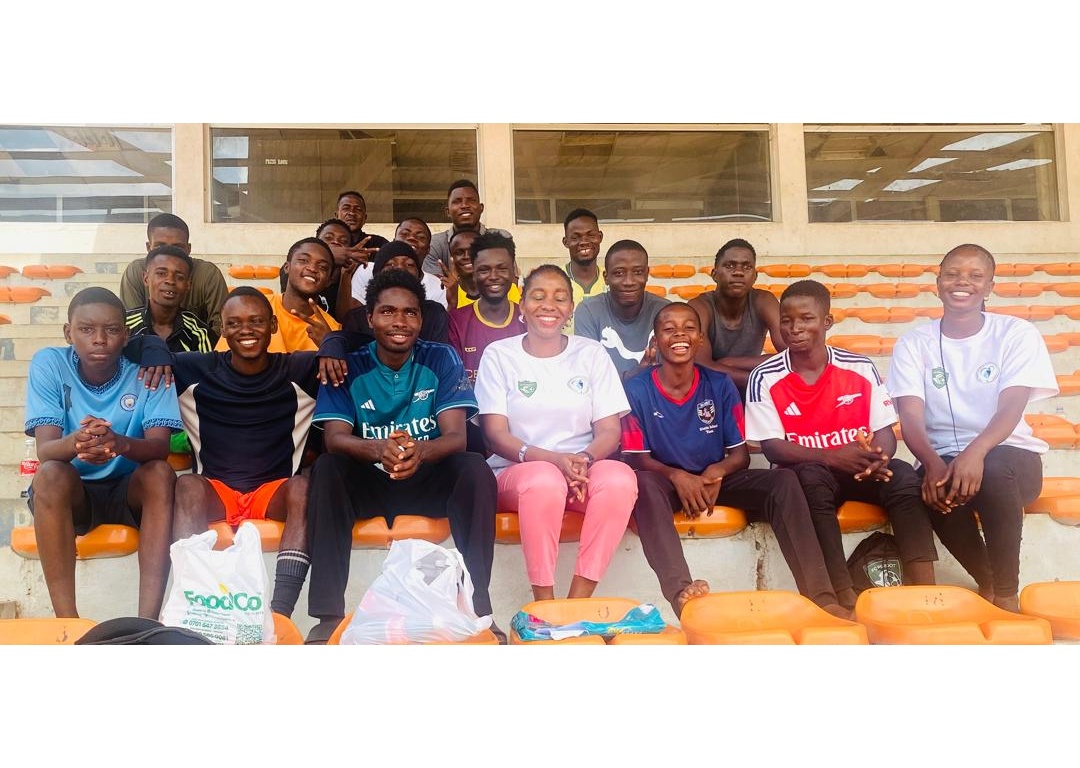
PLAN Health Advocacy and Development Foundation (PLAN Foundation) has identified important opportunities for strengthening the health, wellbeing, and personal development of young footballers following a recent assessment conducted among players of FC Peridot Football Academy in Ibadan, Oyo State.
The assessment forms part of the growing partnership between PLAN Foundation and FC Peridot Academy, which seeks to leverage football as a platform for empowering young people with life skills, health information, mentorship, and opportunities that support their overall development. While football remains a powerful tool for nurturing talent and building discipline, the partnership recognizes that young people also require access to accurate information, positive guidance, and supportive services to make healthy decisions and achieve their aspirations.
The assessment was conducted to identify priority areas for continuous engagement with players while preparations continue for more structured interventions. Through questionnaires and interactive discussions, participants shared their experiences, concerns, aspirations, and support needs relating to sexual and reproductive health, substance abuse, mental wellbeing, life skills development, and career planning.
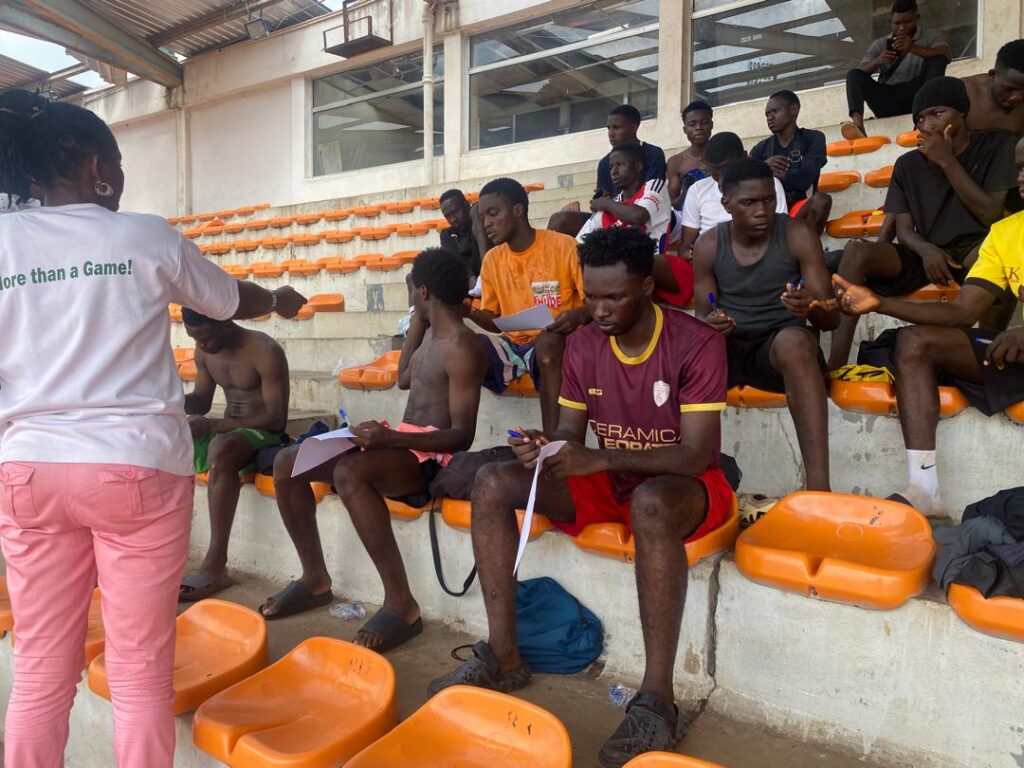
The findings revealed a youthful and ambitious group of players. Most participants were between the ages of 15 and 22 years, while the majority were either in secondary or tertiary education. Many had been involved with FC Peridot Academy for several years and viewed football as an important pathway to achieving their personal and professional goals.
One of the encouraging findings from the assessment was that many players demonstrated some level of awareness of sexual and reproductive health issues. Previous engagements conducted by PLAN Foundation appear to have contributed to increased awareness, particularly around HIV prevention. Most respondents rated their understanding of sexual and reproductive health issues as fair, good, or very good, suggesting a positive foundation for future learning.
However, the assessment also revealed significant knowledge gaps. While awareness of HIV prevention was relatively high, many participants had limited understanding of other important sexual and reproductive health topics, including family planning, sexually transmitted infections, and broader reproductive health issues. Even more concerning was the finding that only a small proportion of respondents knew where to access youth-friendly health services when needed. This suggests that although some young people possess health information, they may still face challenges in accessing appropriate services and support.
The assessment further highlighted the important role that peers play in shaping attitudes and behaviour among young people. Most respondents reported discussing sexual health matters primarily with friends rather than parents, coaches, or healthcare providers. This finding underscores the potential value of peer education initiatives that equip young people with accurate information and communication skills, enabling them to become positive influencers within their social networks.
Beyond health issues, the assessment painted a picture of young people who are highly motivated and future-oriented. Nearly all respondents reported having clear goals for the next five years, and most had already documented these goals in writing. Becoming a professional footballer emerged as the most common aspiration, but many participants also expressed ambitions related to education, business, career advancement, financial independence, and giving back to their communities.
Despite these aspirations, many players identified significant obstacles that could hinder their progress. Financial challenges emerged as the most commonly reported barrier to achieving personal goals. Participants also identified poor decision-making, family-related difficulties, lack of guidance, and peer influences as factors that could negatively affect their future success. These findings highlight the need for interventions that go beyond football training to address the broader social and economic realities affecting young people.
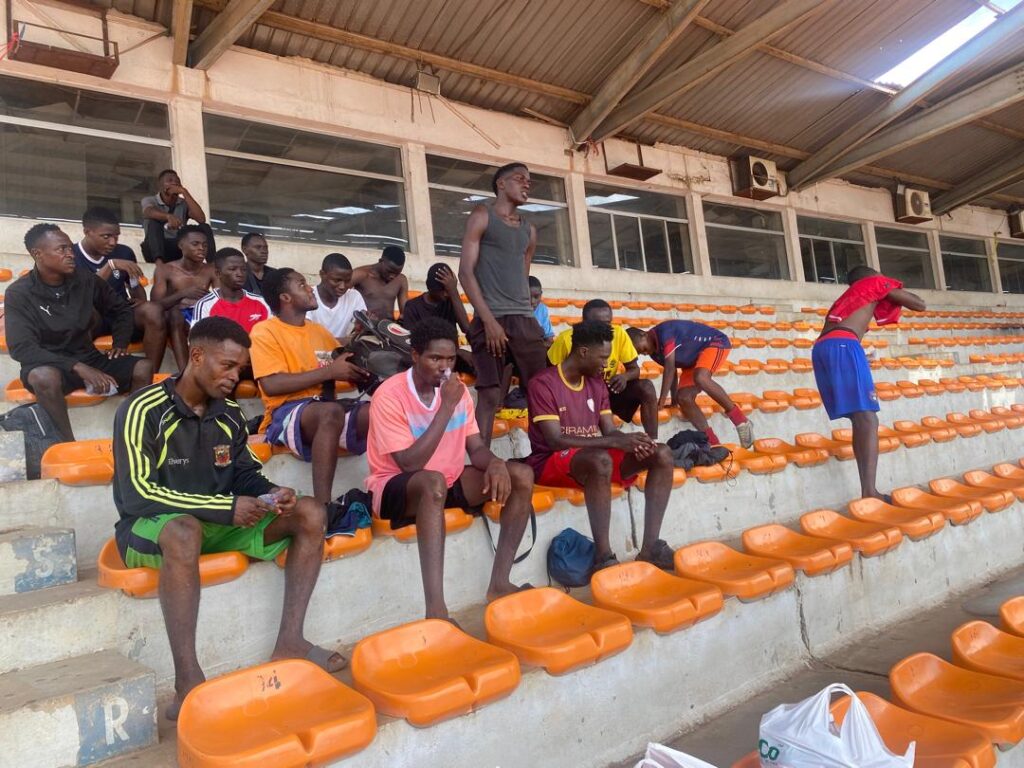
Mental health and emotional wellbeing also emerged as important concerns. Most respondents indicated that they sometimes experience stress or pressure, with financial difficulties, football performance expectations, family challenges, relationships, and uncertainty about the future identified as major sources of stress. Encouragingly, a majority of participants expressed willingness to participate in mental health and counselling sessions if such opportunities were made available, demonstrating openness to seeking support and building resilience.
The assessment also explored issues relating to substance use among young people. Participants identified alcohol as the most commonly used substance among youths in their communities, followed by marijuana, tramadol, and codeine. While substance use was not widely reported among the players themselves, the findings indicate that these substances remain visible within their social environments. Importantly, almost all respondents acknowledged that drug and alcohol use can negatively affect football performance, health, and future opportunities, suggesting a strong awareness of associated risks.
When asked about the types of support they would like to receive, players overwhelmingly identified health talks, life-skills training, career mentorship, goal-setting support, financial literacy education, and counselling services as priorities. Sexual and reproductive health education emerged as one of the most important areas for continued engagement, while life-skills training and career mentorship were strongly recommended as critical areas for future programming.
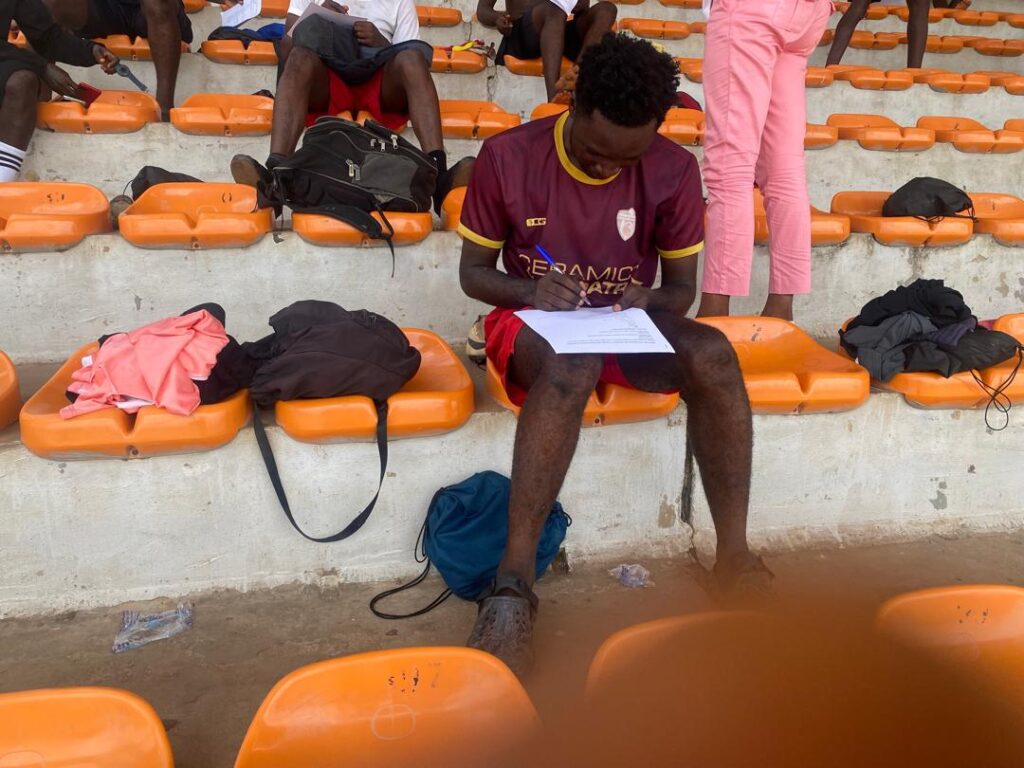
According to PLAN Foundation’s Gender and Social Inclusion Officer, Mrs. Abosede Felicia Ojo, the findings reinforce the value of sports-based development approaches that recognize young people as whole individuals with diverse needs and aspirations. Football provides an effective entry point for engaging adolescents and young adults with information, skills, mentorship, and support systems that can improve health outcomes, strengthen decision-making, reduce risk behaviours, and promote positive life trajectories.
Building on the assessment findings, PLAN Foundation and FC Peridot Academy will continue to explore opportunities for collaborative interventions focused on comprehensive sexual and reproductive health education, life-skills development, mental health support, career mentorship, financial empowerment, and substance abuse prevention. By combining the power of sport with evidence-based youth development strategies, the partnership aims to support players not only to excel on the football field but also to become healthy, informed, confident, and productive members of society.
The assessment represents an important step in understanding the realities, challenges, and aspirations of FC Peridot Academy players and provides a strong foundation for future interventions that respond directly to their expressed needs and priorities.
PLAN Foundation is a member of the International Association of Providers of AIDS Care (IAPAC), the World Patients Alliance (WPA), the International AIDS Society (IAS), the Global Network of People Living with HIV (GNP+), the Stop TB Partnership, the International Alliance of Patients’ Organizations (IAPO), the International Union Against Tuberculosis and Lung Diseases (IUATLD), the Global Health Council (GHC), as well as various other relevant regional and global networks, movements, and professional associations aligned with its vision of a Nigeria where the individual, family, and community are adequately empowered to protect themselves against poverty, underdevelopment, and the spread of diseases.
This report was jointly compiled by
Abosede Felicia Ojo,
Gender and Social Inclusion Officer,
abosede@planfoundation.org.ng
and
Oluwaseun Omikunle
Program Officer,
Oluwaseun@planfoundation.org.ng
PLAN Health Advocacy and Development Foundation (PLAN Foundation),
Ibadan, Nigeria
+234 803 852 7668
info@planfoundation.org.ng
X – @NG_PLAN
www. planfoundation.org.ng