
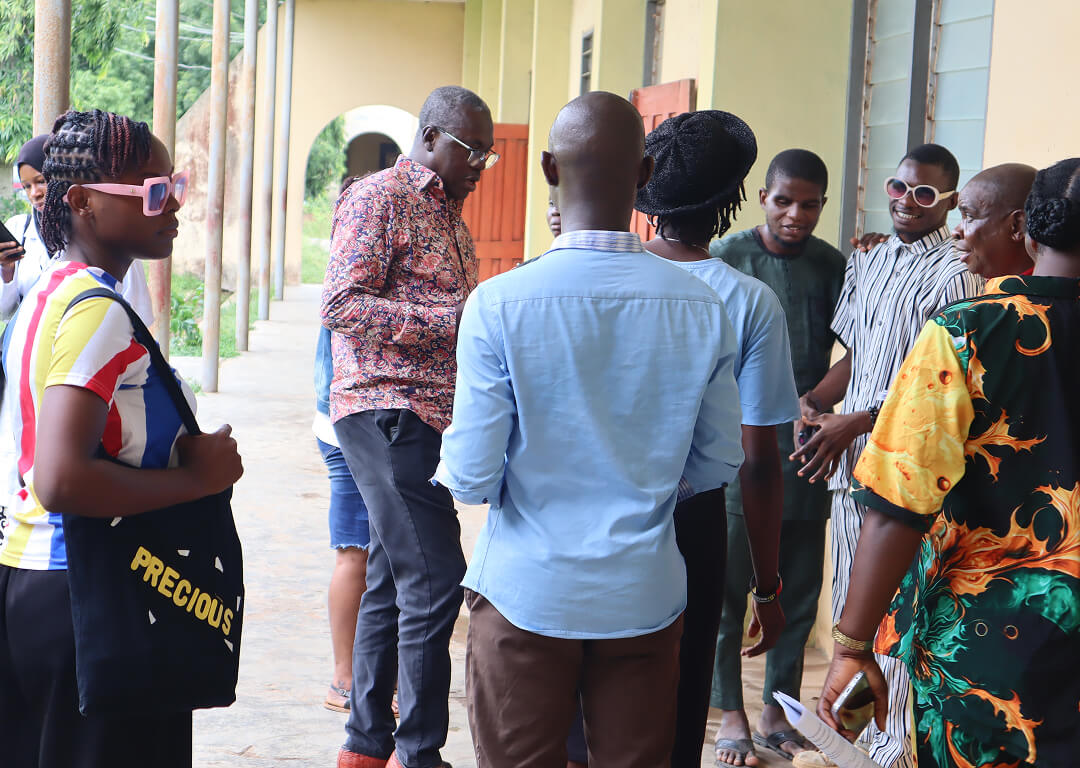
Students with disabilities at the Federal College of Education (Special), Oyo, have called for urgent action to improve access to inclusive sexual and reproductive health (SRH) and gender-based violence (GBV) services within tertiary institutions in Oyo State.
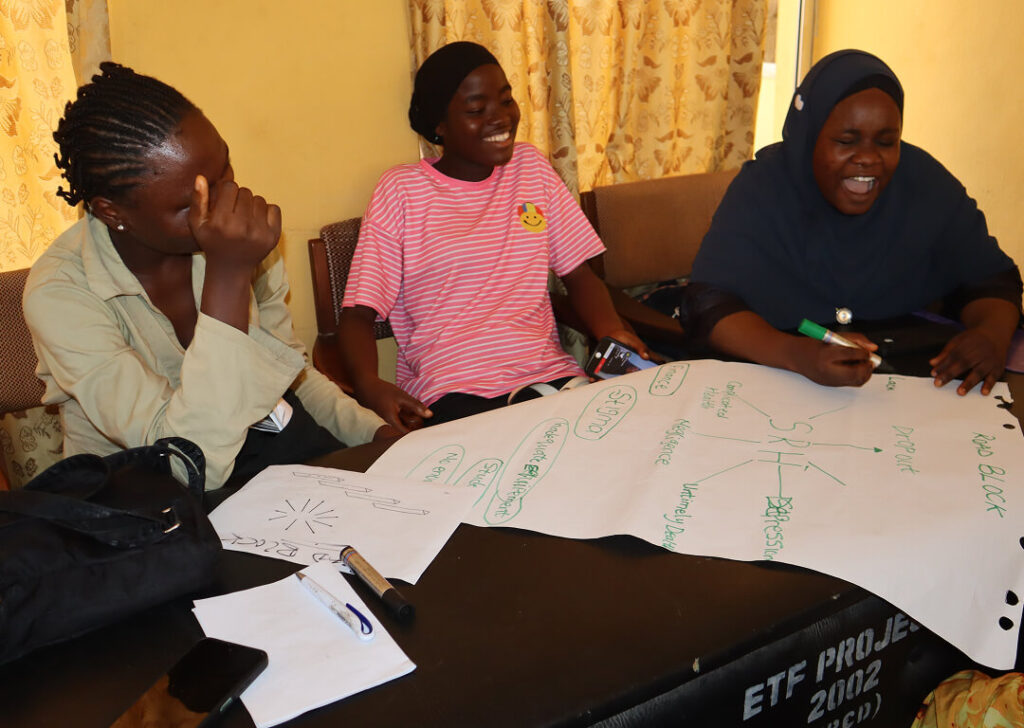
The call emerged during a one-day participatory assessment conducted by PLAN Health Advocacy and Development Foundation (PLAN Foundation) in collaboration with Light Hub for the Blind Empowerment Foundation and the Oyo State Agency for Persons with Disabilities (OYSAPD) on 2 June 2025 at the Federal College of Education (Special), Oyo. The assessment was designed to better understand the experiences of students with disabilities regarding access to sexual and reproductive health information and services, as well as their vulnerability to gender-based violence and barriers to seeking support.
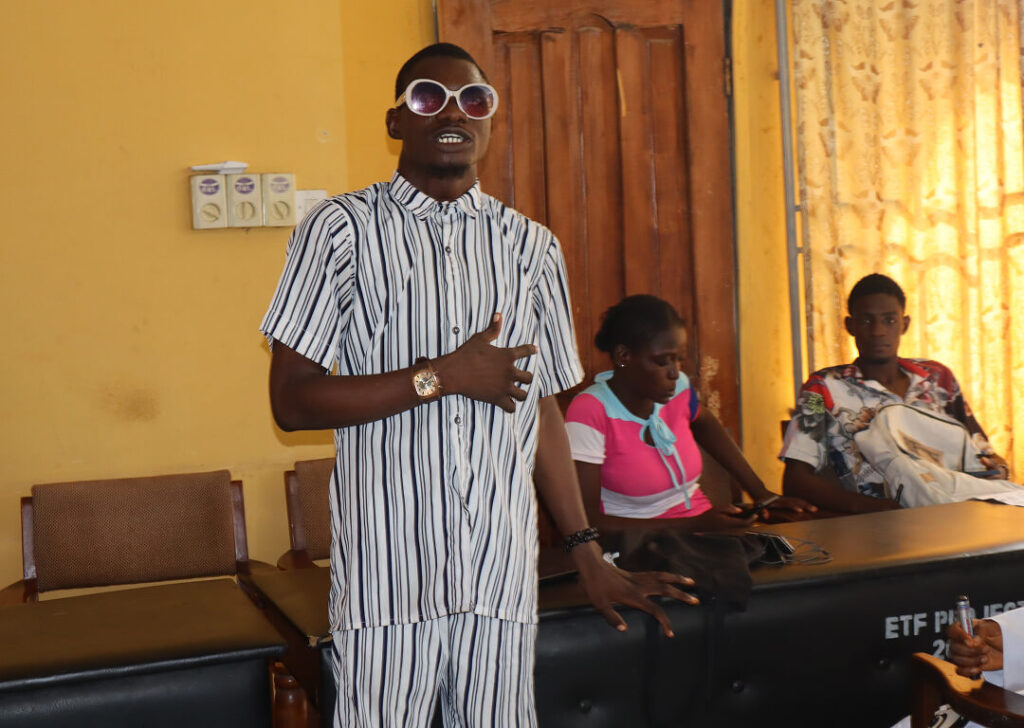
The initiative reflects the growing recognition that students with disabilities are often overlooked in sexual and reproductive health programming despite facing unique challenges that increase their vulnerability to poor health outcomes, stigma, discrimination, and violence.
Ensuring No One is Left Behind
Sexual and reproductive health and rights (SRHR) are fundamental human rights that apply to everyone, including persons with disabilities. Yet, many students with disabilities continue to encounter barriers that prevent them from accessing information, healthcare services, and protection mechanisms available to other members of society. The situation is particularly concerning for young women and girls with disabilities, who often face multiple layers of discrimination based on both gender and disability.
Recognizing these challenges, PLAN Foundation partnered with Light Hub for the Blind Empowerment Foundation – an organization of persons with sight impairment working to promote the rights, inclusion, and wellbeing of persons with disabilities, particularly women and girls with visual impairment and the Oyo State Agency for Persons with Disabilities (OYSAPD) to conduct an assessment that would place the experiences of students with disabilities at the center of discussions on SRHR and GBV prevention.
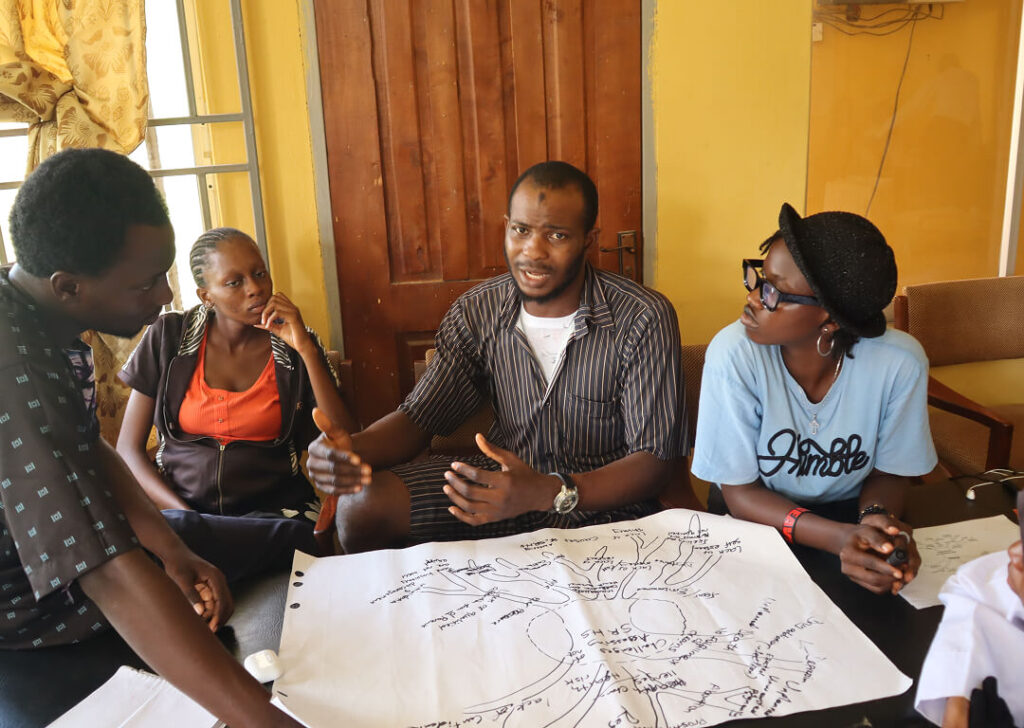
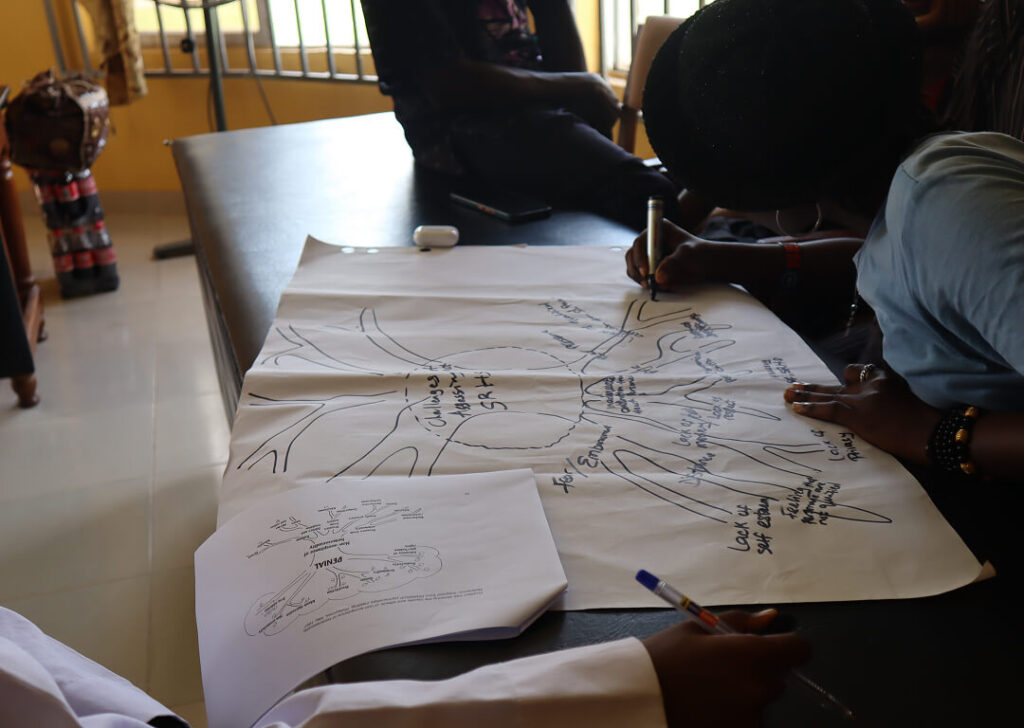
The assessment brought together seventeen participants, including young women and men with visual, hearing, and mobility impairments. Participants ranged between 18 and 35 years of age and represented diverse disability groups within the institution. Their involvement ensured that the assessment reflected real-life experiences and practical realities rather than assumptions about the needs of persons with disabilities.
Listening to Lived Experiences
Using Focus Group Discussions and Participatory Learning and Action tools, participants examined issues affecting their access to health services and discussed practical solutions for creating a more inclusive environment. The methodology encouraged open and honest conversations and allowed students to identify both challenges and opportunities from their own perspectives.
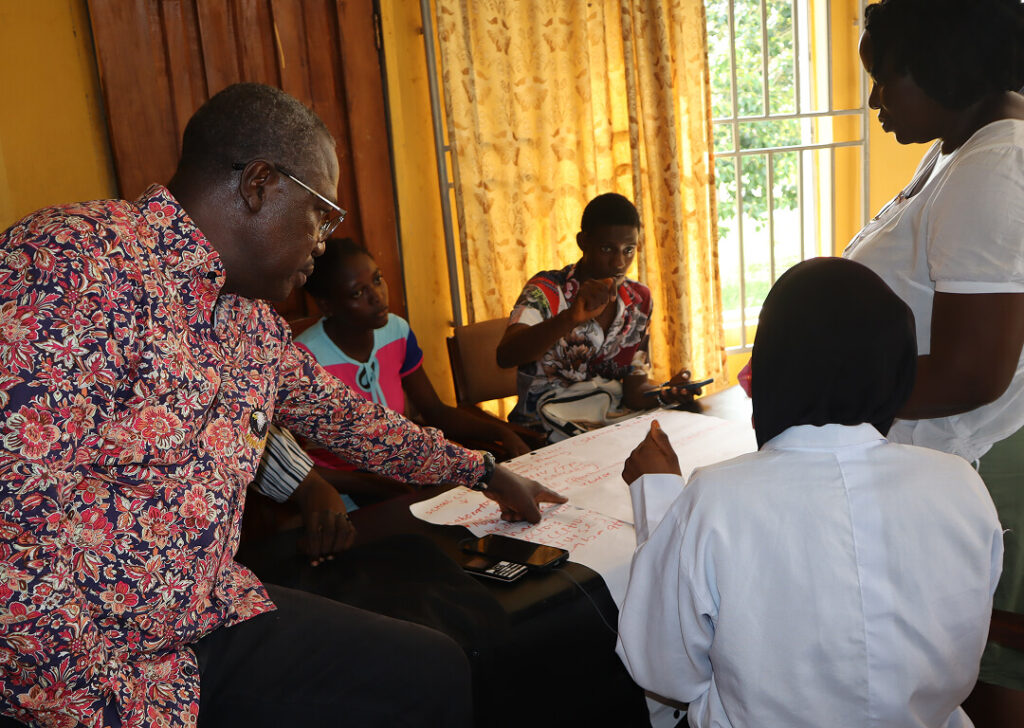
The discussions revealed that while many students were aware of the importance of sexual and reproductive health services, several barriers prevented them from accessing available services within the institution.
One of the strongest concerns raised by participants was the lack of confidentiality within the school health facility. Students reported that personal medical information was sometimes discussed openly, creating fears that their health conditions could become known to other students and staff members. This lack of trust in confidentiality discouraged many students from seeking healthcare services, particularly those related to sexual and reproductive health.
Participants emphasized that privacy is essential when accessing healthcare and that students must feel confident that their personal information will be protected.
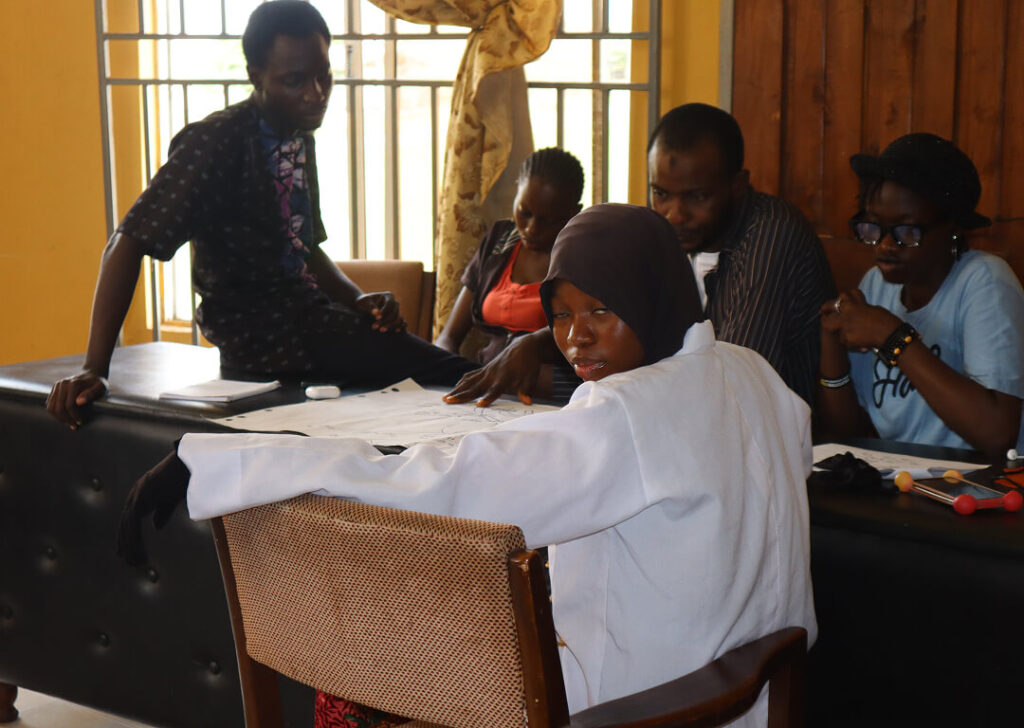
Stigma Remains a Major Barrier
Beyond concerns about confidentiality, students identified stigma and discrimination as some of the most significant barriers to accessing services.
Many participants explained that they feared being judged by fellow students, healthcare workers, lecturers, family members, and the wider community if they sought SRH or GBV services. Some reported that society often assumes that persons with disabilities are not sexually active and therefore do not require sexual and reproductive health services. These stereotypes create an environment where students with disabilities may feel ashamed or discouraged from seeking help.
Participants also highlighted cultural and religious beliefs that contribute to negative attitudes towards the sexuality and reproductive rights of persons with disabilities. Such beliefs not only reinforce stigma but can also limit opportunities for education, support, and healthcare.
For young women with disabilities, the impact is often even greater. Many face additional challenges linked to gender inequality, social exclusion, and vulnerability to various forms of violence and abuse. These realities underscore the need for targeted interventions that address both disability and gender-related barriers simultaneously.
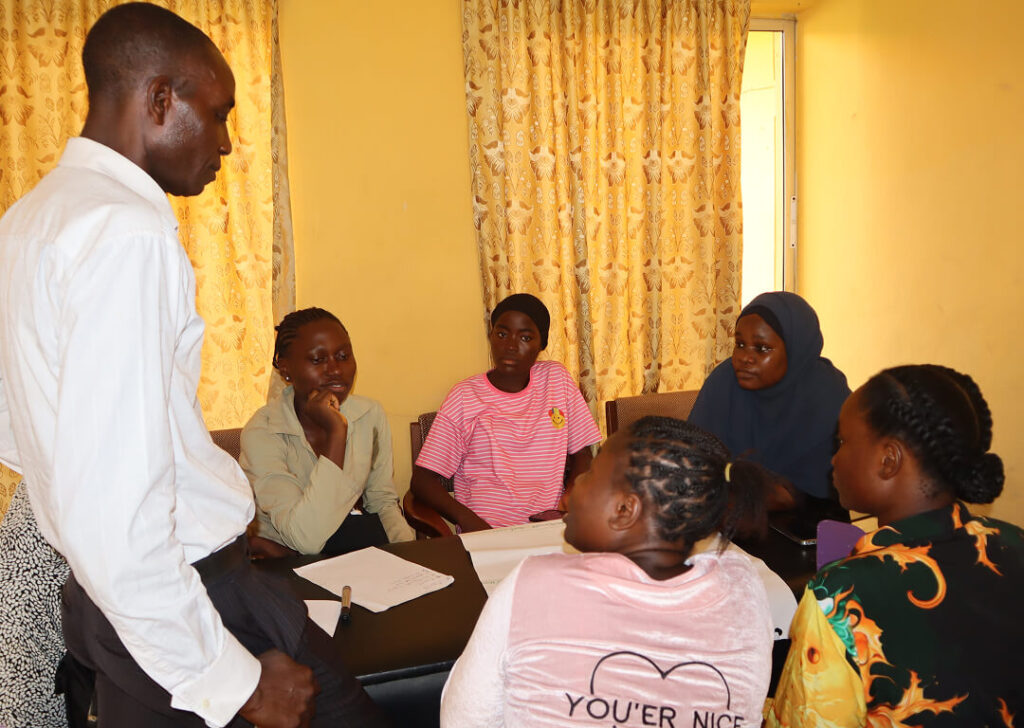
Challenges Within Health Facilities
Participants also identified weaknesses within the school healthcare system itself.
Healthcare workers were described as insufficiently youth-friendly and not always responsive to the needs of students with disabilities. Some participants expressed concerns about communication barriers and the lack of disability-sensitive approaches during service delivery. Others noted that the school clinic lacked adequate equipment and services, forcing students to seek care outside the institution, often at additional cost and inconvenience.
For many students, these barriers create a cycle in which they delay seeking care until health issues become more serious. The result can be poorer health outcomes and reduced confidence in available services.
Students Offer Practical Solutions
While the assessment highlighted significant challenges, it also demonstrated the determination of students to identify practical solutions.
Participants called for improved investment in school health facilities, including the provision of additional equipment and healthcare personnel. They recommended that healthcare workers receive training on disability-inclusive and youth-friendly service delivery to ensure that students are treated with dignity and respect.
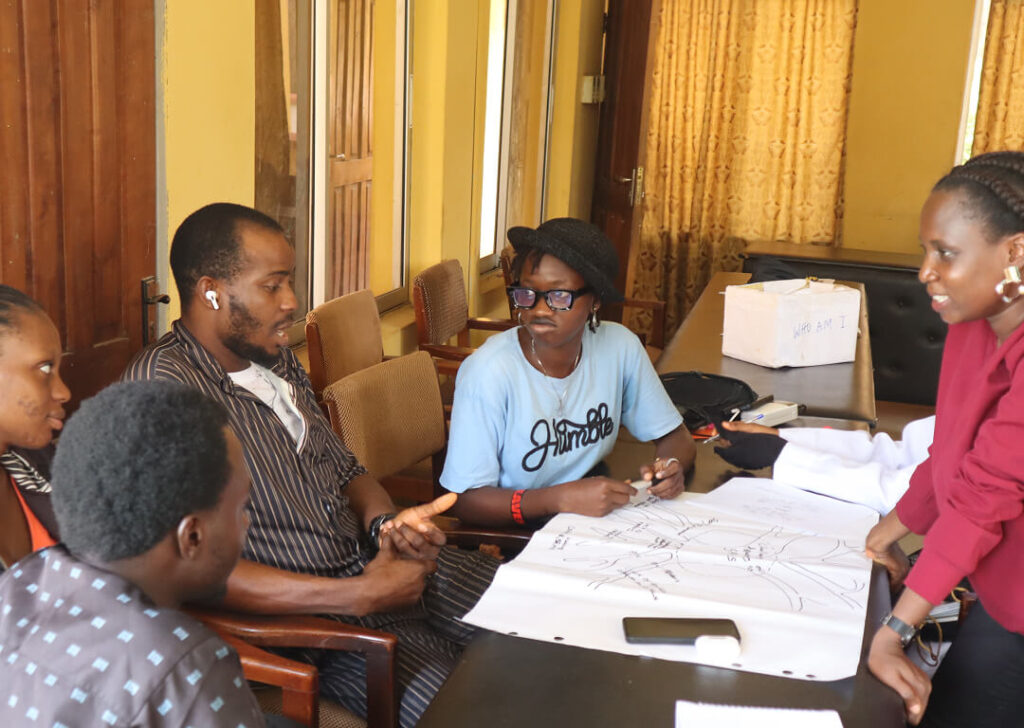
Students also advocated for the expansion of health insurance coverage to reduce financial barriers to healthcare access. They emphasized that affordable healthcare is critical for students, particularly those from economically disadvantaged backgrounds.
Another key recommendation focused on awareness creation. Participants called for continuous advocacy and sensitization programmes targeting both students with disabilities and non-disabled students. Such efforts, they argued, would help reduce stigma, improve understanding of SRHR and GBV rights, and create a more supportive campus environment.
The students further stressed the importance of accessible information. They recommended the development of educational materials in Braille, audio formats, sign language-supported videos, and other disability-friendly formats to ensure that no student is excluded from receiving important health information.
Building Momentum for Change
The findings from the assessment will serve as an important evidence base for future advocacy and programming. PLAN Foundation and its partners intend to use the results to engage policymakers, educational institutions, healthcare providers, and other stakeholders on the need for more inclusive SRHR and GBV services.
The assessment also identified several strategic areas for future action, including capacity building for healthcare workers, advocacy for disability-inclusive policies, awareness campaigns, improved referral systems, and the training of students with disabilities as SRHR and GBV champions within their institutions.
These proposed interventions have the potential to transform tertiary institutions into safer and more inclusive environments where all students can access the information and services they need without fear of discrimination or exclusion.
A Shared Commitment to Inclusion
At the conclusion of the assessment, representatives of OYSAPD and PLAN Foundation commended participants for their openness and commitment. They assured students that their contributions would inform future advocacy and programme design and reiterated their commitment to ensuring that students with disabilities remain active partners in shaping interventions that affect their lives.
For PLAN Foundation, the assessment reinforces an important principle: meaningful progress can only be achieved when the voices of those most affected are heard and acted upon.
As efforts continue to advance disability-inclusive SRHR and GBV prevention in Oyo State, the experiences and recommendations shared by these students provide a powerful reminder that inclusion is not merely a policy aspiration—it is a necessity. By working together with persons with disabilities, government institutions, educational authorities, and civil society organizations, it is possible to build a future where every young person can access the information, services, protection, and opportunities they need to live healthy, safe, and empowered lives.
PLAN Foundation is a member of the International Association of Providers of AIDS Care (IAPAC), the World Patients Alliance (WPA), the International AIDS Society (IAS), the Global Network of People Living with HIV (GNP+), the Stop TB Partnership, the International Alliance of Patients’ Organizations (IAPO), the International Union Against Tuberculosis and Lung Diseases (IUATLD), the Global Health Council (GHC), as well as various other relevant regional and global networks, movements, and professional associations aligned with its vision of a Nigeria where the individual, family, and community are adequately empowered to protect themselves against poverty, underdevelopment, and the spread of diseases.
For more details on PLAN Foundation, engage us on our social media accounts on
X (Twitter): @NG_PLAN
Instagram: @planfoundationng
Facebook: @PLANFoundationNG
YouTube: @PLANFoundationNG
Ifedayo Osemwegie,
Advocacy, Strategic Communication and Media Officer,
PLAN Health Advocacy and Development Foundation (PLAN Foundation)
+2348038320421
ifedayo@planfoundation.org.ng


