As the world marks International Adolescent Health Week 2026, observed from 12 to 18 October, PLAN Health Advocacy and Development Foundation (PLAN Foundation) reaffirm its commitment to advancing the health, rights and well-being of adolescents through inclusive education, community engagement, youth participation and improved access to sexual and reproductive health services.
This year’s theme, “Nothing About Us Without Us: Power, Voice and Health Equity for All Adolescents,” calls for a shift from designing programmes solely for adolescents to actively involving them in decisions that affect their health, development and future. It also highlights the need to address the barriers that prevent young people from accessing accurate health information and appropriate, youth-friendly services.
For adolescents in Nigeria, access to reliable sexual and reproductive health information, supportive relationships, life-planning skills and confidential, adolescent-responsive healthcare remains an important part of healthy development. Addressing these needs requires coordinated efforts involving schools, families, healthcare providers, communities and policymakers.
The ACCESS Project: Expanding Opportunities for Adolescent Health
Through its ACCESS Project, Accelerating Community Commitment Towards Expanding Sexual and Reproductive Health Services for Women and Girls in Oyo State. PLAN Foundation is working to strengthen community and institutional commitment to improved sexual and reproductive health outcomes in Oyo State, with support from AmplifyChange.
The project recognises that adolescents need more than information alone. They need supportive environments where they can ask questions, develop practical life skills, make informed decisions and access appropriate health services without stigma or discrimination.
To advance this goal, the ACCESS Project combines school-based interventions, capacity building, peer education, community engagement, health-service strengthening and policy advocacy.
Empowering Adolescents Through Education and Peer Support.
A key component of the ACCESS Project is the delivery of Comprehensive Sexuality Education (CSE) and Life Planning Education (LPE), helping adolescents develop the knowledge and skills needed to make informed decisions about their health and future.
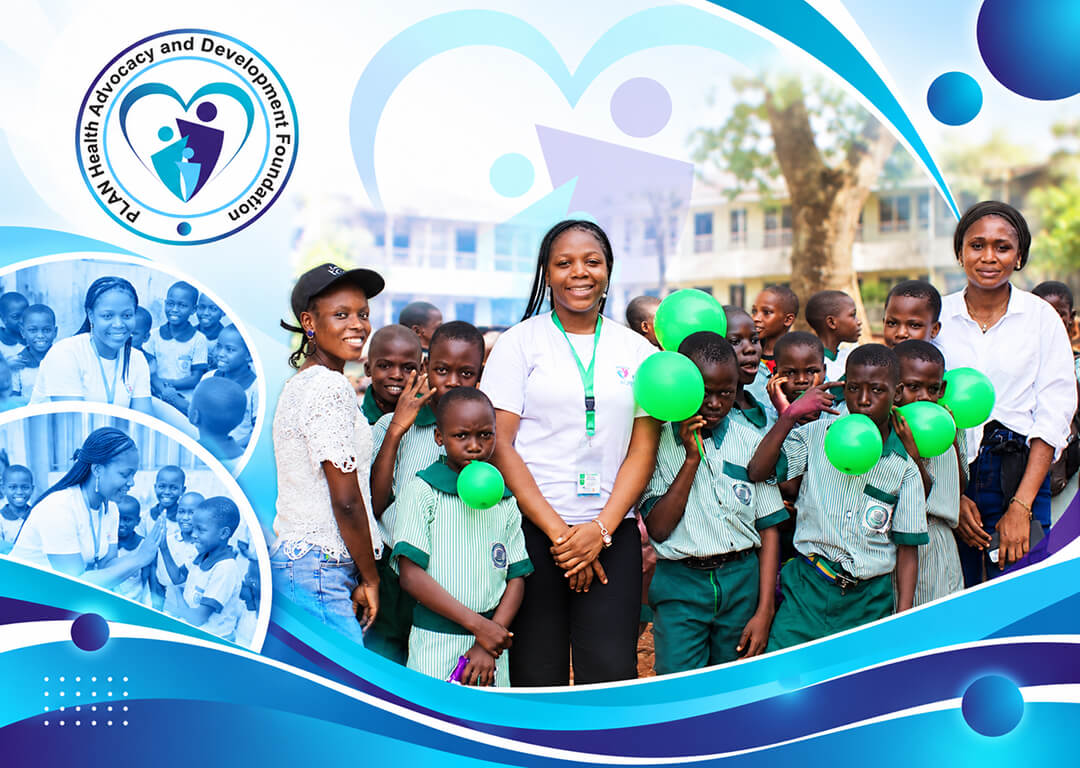
Through the iChoose peer educators, selected secondary school students are equipped to share accurate information with their peers, encourage constructive conversations and guide fellow students towards appropriate sources of support.
This peer-led approach recognises that adolescents can be valuable partners in promoting health awareness and positive behaviour when they receive appropriate training, guidance and supervision. By creating opportunities for young people to participate in health education, the project reflects the central message of International Adolescent Health Week 2026: adolescents should not simply be recipients of interventions; their participation and perspectives matter.
Strengthening the Capacity of Teachers and Healthcare Workers
Teachers and healthcare providers play important roles in shaping adolescents’ access to information and support. However, their ability to respond effectively depends on appropriate knowledge, skills and an understanding of adolescents’ needs.
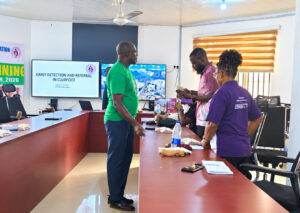
Under the ACCESS Project, PLAN Foundation has conducted capacity-building activities for teachers and healthcare workers to strengthen the delivery of Comprehensive Sexuality Education and improve adolescent-responsive sexual and reproductive health service provision.
The project has also worked to strengthen connections between school-based education and youth-friendly health services, helping adolescents move from receiving information to identifying where and how to seek appropriate care.
These interventions support a more coordinated approach in which schools and healthcare facilities can contribute to a supportive environment for adolescent health and well-being.
From Awareness to Policy Action
Improving adolescent health requires action beyond individual knowledge and behaviour. Policies, institutions and community attitudes also influence whether adolescents can access the information, services and support they need.
Through the ACCESS Project, PLAN Foundation has engaged legislators, government institutions, education stakeholders, religious leaders and other community actors on the prevention of unplanned pregnancy and unsafe abortion in Oyo State.
A key component of this advocacy is the proposed Oyo State Unplanned Pregnancy and Unsafe Abortion (Prevention and Regulation) Bill. The project has supported stakeholder engagement and legislative dialogue around the proposed legislation, including a public hearing held on 24 June 2026 and a subsequent legislative retreat on 28–29 July 2026 to review the draft bill.
These engagements form part of broader efforts to strengthen informed discussion, encourage institutional commitment and advance policy responses to sexual and reproductive health challenges affecting Adolescents, women and girls inclusive
The work also reinforces the importance of ensuring that the experiences and needs of adolescents inform discussions about the policies and services that affect their lives.
In view of the Adolescent Health Week 2026 Theme
The message of International Adolescent Health Week is clear: meaningful progress in adolescent health requires young people to be heard, included and supported. For PLAN Foundation, this means continuing to strengthen opportunities for adolescents to participate in peer education, access appropriate health information, connect with youth-friendly services and contribute to conversations about their needs and priorities. It also means recognising that adolescents do not all experience the same barriers. Gender, disability, socioeconomic circumstances, school attendance and community attitudes can influence access to information and care. Adolescent-responsive programmes must therefore be inclusive, accessible and sensitive to different circumstances.
Through the ACCESS Project, PLAN Foundation continues to work with relevant stakeholders to promote an environment in which adolescents can make informed choices, seek appropriate support and participate meaningfully in decisions affecting their health and future.
A Call for Collective Action
As International Adolescent Health Week 2026 concludes, PLAN Foundation calls on parents and caregivers, teachers, healthcare professionals, policymakers, community leaders and development partners to strengthen their commitment to adolescent health and well-being.
Stakeholders must go beyond speaking about adolescents to actively listening to them, involving them in programme design and decision-making, and ensuring that their concerns translate into practical action. Schools must remain supportive spaces for learning and health education. Healthcare facilities must provide appropriate, respectful and adolescent-responsive services. Policymakers and community leaders must continue to address barriers that limit access to reliable information and care.
Most importantly, adolescents must be recognised as active participants in shaping solutions, rather than passive beneficiaries of programmes designed on their behalf.
Through the ACCESS Project and its continued commitment to advocacy, education, stakeholder engagement and service access, PLAN Foundation remains dedicated to supporting healthier, better-informed and more empowered adolescents in Oyo State.
PLAN Foundation is a member of the International Association of Providers of AIDS Care (IAPAC), the World Patients Alliance (WPA), the International AIDS Society (IAS), the Global Network of People Living with HIV (GNP+), the Stop TB Partnership, the International Alliance of Patients’ Organizations (IAPO), the International Union Against Tuberculosis and Lung Diseases (IUATLD), the Global Health Council (GHC), as well as various other relevant regional and global networks, movements, and professional associations aligned with its vision of a Nigeria where the individual, family, and community are adequately empowered to protect themselves against poverty, underdevelopment, and the spread of diseases.
For more details on PLAN Foundation, engage us on our social media accounts on
X (Twitter): @NG_PLAN
Instagram: @planfoundationng
Facebook: @PLANFoundationNG
YouTube: @PLANFoundationNG