Sexual and Reproductive Health and Rights (SRHR) remain a critical component of public health and human development. However, access to inclusive SRHR education and services continues to be a major challenge among out-of-school youths and Persons With Disabilities (PWDs) in Nigeria. These vulnerable populations often face barriers such as stigma, discrimination, poverty, lack of information, inaccessible healthcare services, and inadequate support systems, all of which negatively affect their health outcomes and overall wellbeing.
Studies and community experiences have shown that out-of-school youths and PWDs are disproportionately affected by poor access to healthcare services, sexually transmitted infections (STIs), unwanted pregnancies, unsafe abortion practices, gender-based violence (GBV), poor menstrual hygiene management, and limited access to family planning services. These challenges are further worsened by cultural and religious misconceptions, poor confidentiality within healthcare settings, inadequate parental guidance, and unfriendly attitudes of healthcare providers.
In response to these growing concerns, PLAN Health Advocacy and Development Foundation (PLAN Foundation) organized a Stakeholders’ Rapid Assessment and Consultative Session on Inclusive SRHR Education and Services aimed at identifying the root causes of exclusion and barriers affecting access to SRHR information and services among out-of-school youths and PWDs in Oyo State.
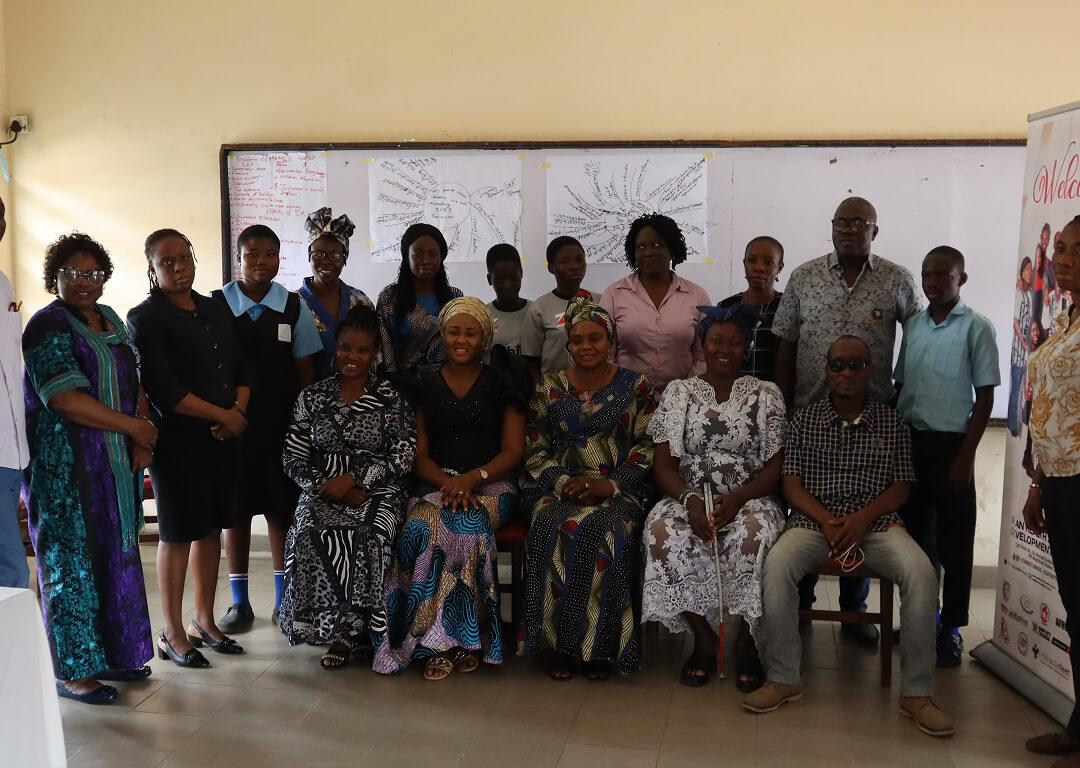
The consultative session brought together a broad spectrum of stakeholders including representatives of youth groups, persons with disabilities clusters, healthcare workers, civil society organizations, non-governmental organizations, religious leaders, traditional leaders, parents and guardians, community representatives, and other relevant stakeholders working in the areas of health, gender, and social inclusion.
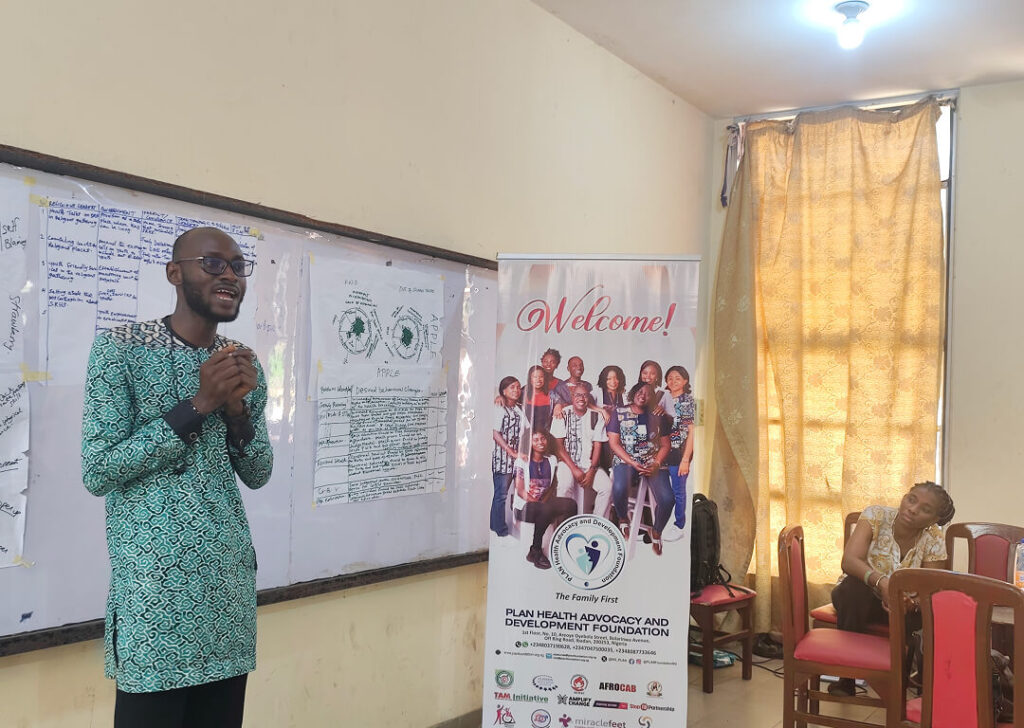
The opening session of the meeting was anchored by the Executive Director/CEO of PLAN Foundation, Mr. Obatunde Oladapo, who introduced the organization, its vision, mission, and commitment towards advancing inclusive healthcare services and rights-based approaches to development. He also emphasized the importance of stakeholder collaboration in addressing the SRHR needs of marginalized groups such as out-of-school youths and persons with disabilities.
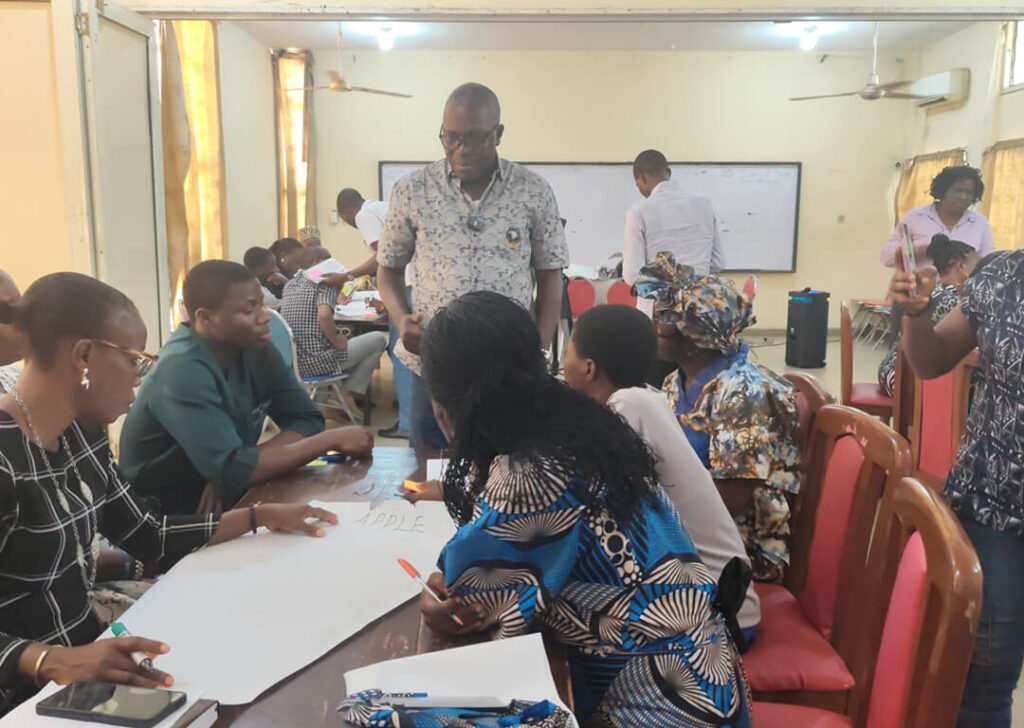
Participants were divided into different working groups namely Apple Group, Mango Group, and Strawberry Group. Using various participatory learning and assessment tools (https://frontlineaids.org/wp-content/uploads/old_site/229-Tools-together- now_original.pdf) to facilitate discussions, identify key barriers, analyze effects, and proffer practical solutions to improve inclusive SRHR education and service delivery.
The Apple Group utilized the “Evaluation Wheel” and “Desired Change” tools to assess the current level of access to SRHR services among out-of-school youths and PWDs. The group evaluated services such as family planning, HIV/AIDS services, GBV support, safe abortion, sex education, menstrual health, antenatal and postnatal care, and immunization.
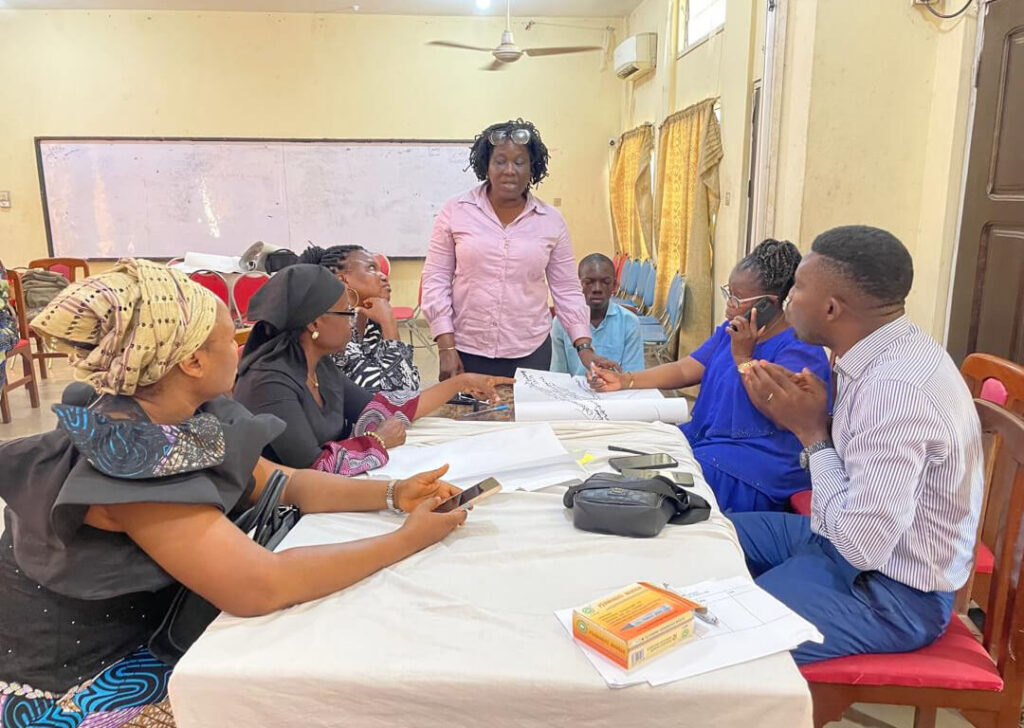
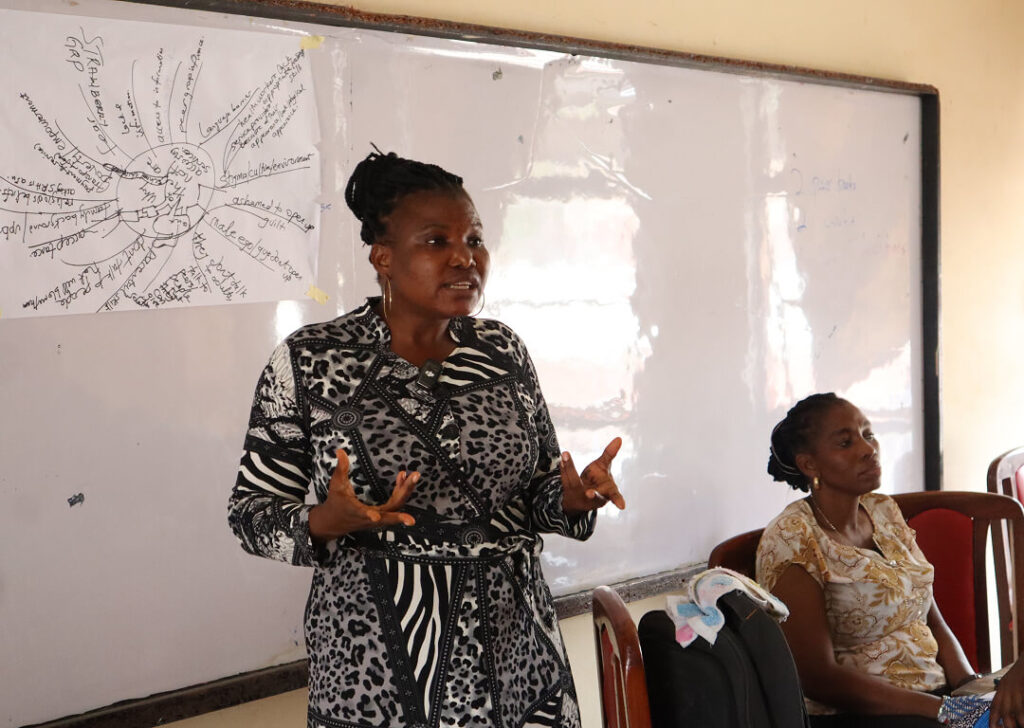
Findings from the group revealed disparities in access to SRHR services among the target populations. Participants highlighted the need for increased awareness on family planning, improved access to HIV/AIDS treatment and counseling services, affordable menstrual hygiene products, youth-friendly and non-judgmental healthcare services, as well as improved access to safe abortion services and GBV support systems.
The Mango Group adopted the “Problem Tree” and “Solution/Objective Tree” tools to examine the causes and effects of poor access to inclusive SRHR education and services. The group identified major barriers including lack of information, expensive healthcare services, peer pressure, inadequate parental care, lack of trust in confidential healthcare services, cultural and religious barriers, poor access to healthcare facilities, and unfriendly healthcare workers.
The group further analyzed the consequences of these barriers, which include unwanted pregnancies, unsafe abortions, increased spread of STIs, maternal mortality and morbidity, risky sexual behaviors, poor health-seeking attitudes, emotional vulnerability, stigma, discrimination, and poor treatment outcomes.
To address these issues, the Mango Group recommended the establishment of youth-friendly healthcare units within Primary Healthcare Centres (PHCs), increased awareness creation on SRHR services, training of healthcare workers on inclusive and respectful service delivery, enforcement of GBV laws, media engagement for community sensitization, and improved PWD-friendly healthcare services.
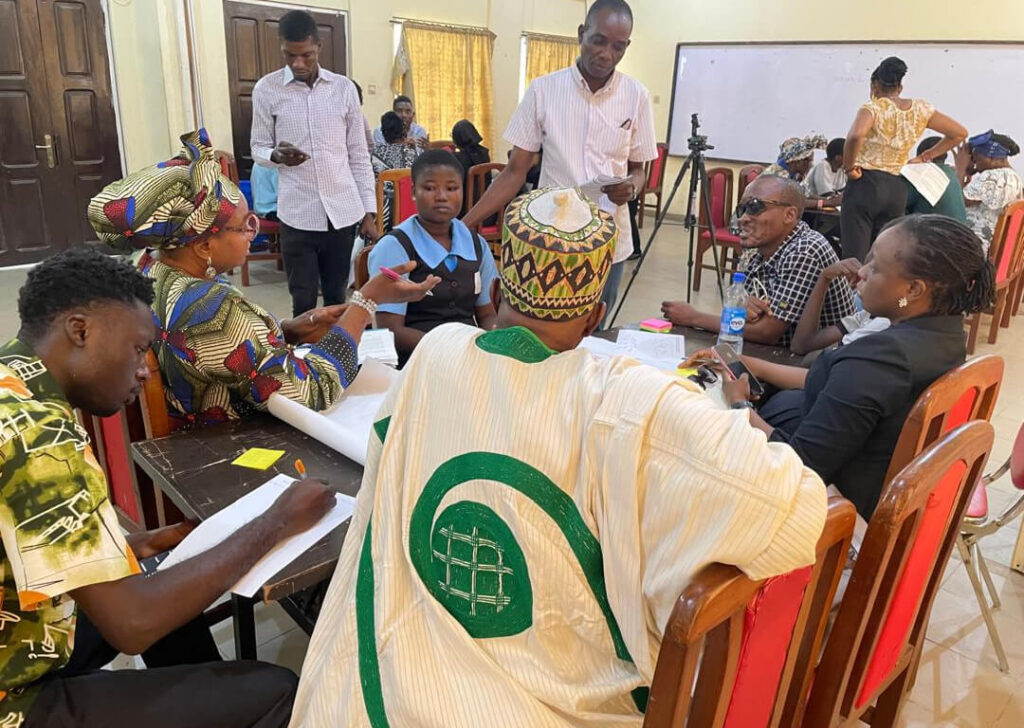
The Strawberry Group used “Tool 29 (Octopus)” and “Tool 86: Roles and Responsibilities” to identify root causes of exclusion from SRHR education and services as well as stakeholder responsibilities in addressing the challenges.
Participants identified several contributing factors including peer pressure, poverty, lack of trust and confidentiality, cultural and religious beliefs, stigma and shame, misinformation, lack of sexual and reproductive health knowledge, unprofessional attitudes of healthcare workers, language barriers, gender discrimination, inconvenient healthcare facility locations and timing, and limited access to contraceptives.
The group also outlined key roles and responsibilities for stakeholders. Religious leaders were encouraged to provide SRHR education and counseling within religious settings. Government was urged to establish safe spaces, amend existing laws to include out-of-school youths and PWDs, provide free SRHR services, and establish monitoring units in healthcare facilities to ensure accountability among healthcare workers.
Parents and guardians were encouraged to discuss SRHR issues openly at home and provide proper guidance to young people. Traditional leaders were advised to discourage gender discrimination and harmful cultural practices. CSOs and NGOs were encouraged to intensify sensitization programs, advocacy efforts, and collaboration with cluster groups representing out-of-school youths and persons with disabilities.
Participants also emphasized the need for youth empowerment programs to reduce poverty, provision of toll-free emergency and complaint lines, establishment of counseling units, and improved communication systems including sign language interpretation and disability-friendly information materials.
At the end of the consultative session, participants agreed that addressing the SRHR needs of out-of-school youths and PWDs requires a coordinated multi-sectoral approach involving government agencies, healthcare providers, civil society organizations, community leaders, parents, and the beneficiaries themselves.
The Executive Director of PLAN Foundation, Mr. Obatunde Oladapo, appreciated all participants for their active participation and valuable contributions. He assured stakeholders that the findings, recommendations, and proposed solutions from the assessment would guide the development and implementation of future interventions, advocacy activities, and proposals aimed at promoting inclusive SRHR education and services in Oyo State and beyond.
The meeting concluded with a renewed commitment from stakeholders to work collaboratively towards ensuring equitable, accessible, inclusive, and youth-friendly SRHR services for all, particularly out-of-school youths and persons with disabilities.
The program concluded with a group photograph session. Here are some highlights from the assessment. Kindly follow the link below for more details:
PLAN Foundation is a member of the International Association of Providers of AIDS Care (IAPAC), the World Patients Alliance (WPA), the International AIDS Society (IAS), the Global Network of People Living with HIV (GNP+), the Stop TB Partnership, the International Alliance of Patients’ Organizations (IAPO), the International Union Against Tuberculosis and Lung Diseases (IUATLD), the Global Health Council (GHC), as well as various other relevant regional and global networks, movements, and professional associations aligned with its vision of a Nigeria where the individual, family, and community are adequately empowered to protect themselves against poverty, underdevelopment, and the spread of diseases.
For more details on PLAN Foundation, engage us on our social media accounts on
X (Twitter): @NG_PLAN
Instagram: @planfoundationng
Facebook: @PLANFoundationNG
YouTube: @PLANFoundationNG
Ifedayo Osemwegie,
Advocacy, Strategic Communication and Media Officer,
PLAN Health Advocacy and Development Foundation (PLAN Foundation)
+2348038320421
ifedayo@planfoundation.org.ng