
Report on PLAN Foundation’s Participation at ICASA 2025 (23rd Edition)
Report on PLAN Foundation’s Participation at the 23rd International Conference on AIDS and Sexually Transmitted Infections in Africa (ICASA 2025)
REPORT ON PLAN FOUNDATION PARTICIPATION’S AT THE 23RD INTERNATIONAL CONFERENCE ON AIDS AND SEXUALLY TRANSMITTED INFECTIONS IN AFRICA (ICASA 2025).
3RD – 8TH DECEMBER, 2025.
ACCRA, GHANA.
THEME: AFRICA IN ACTION: CATALYZING INTEGRATED SUSTAINABLE RESPONSES TO END AIDS, TB & MALARIA.
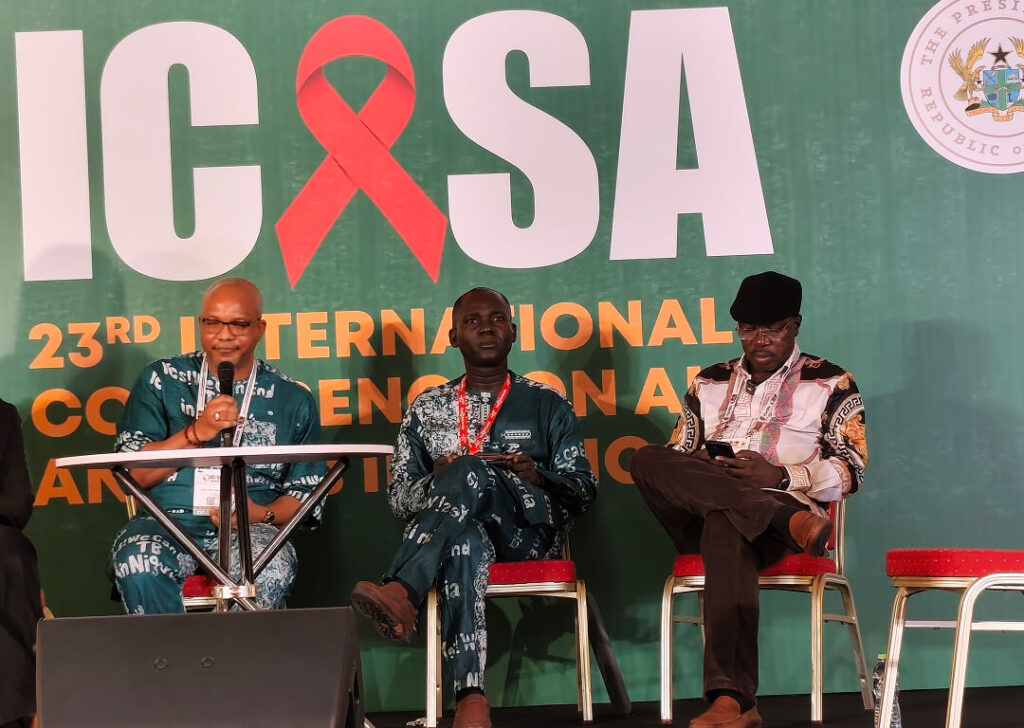
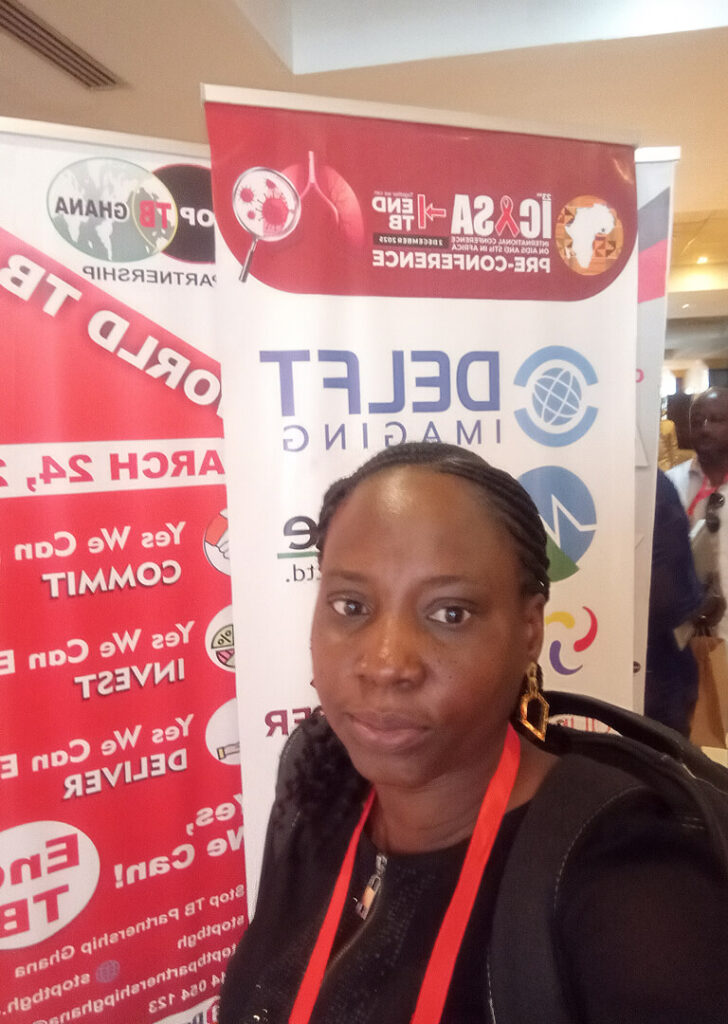
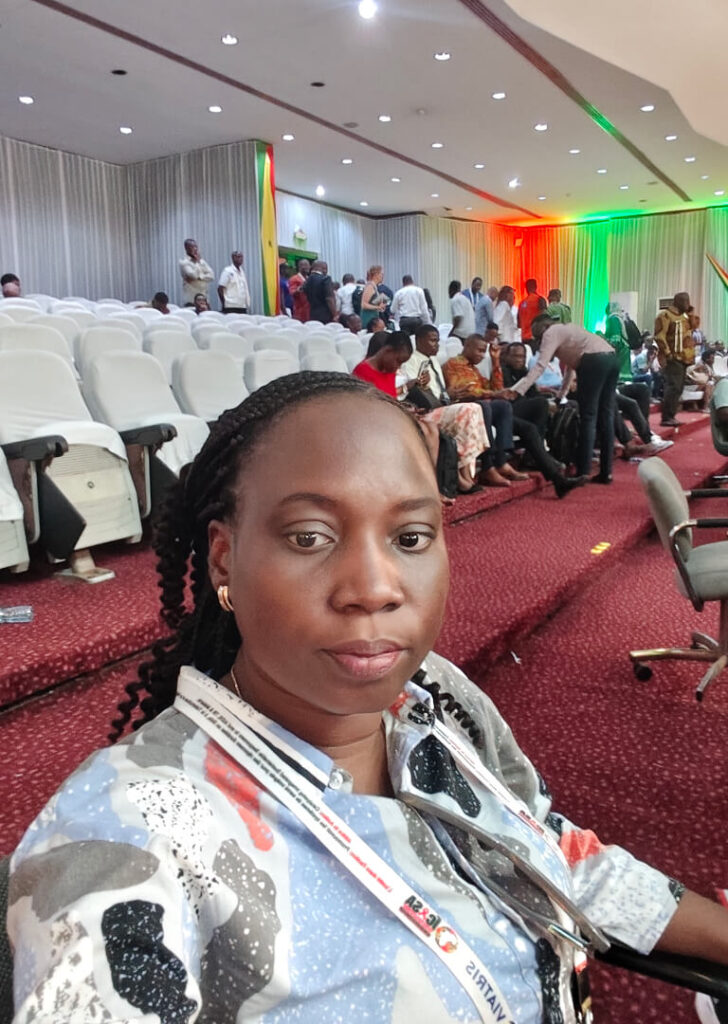
I had the privilege of representing PLAN Health Advocacy and Development Foundation at the 23rd International Conference on AIDS and Sexually Transmitted Infections in Africa (ICASA 2025), held in Accra, Ghana, after applying for the ICASA Media Scholarship and receiving a partial waiver scholarship
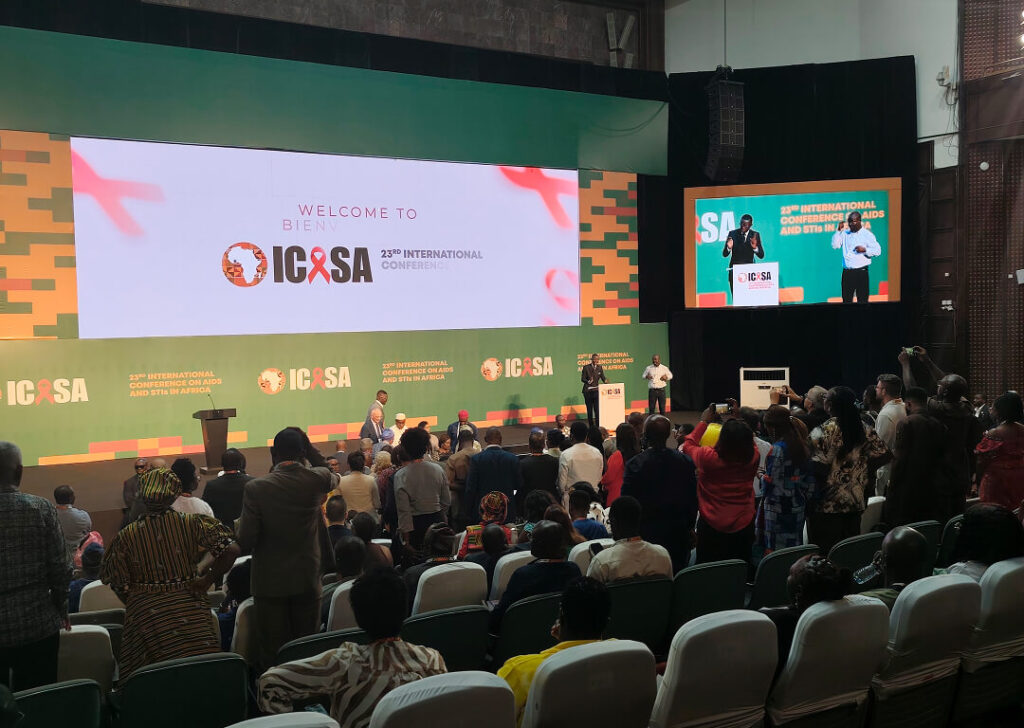
The conference convened global and African leaders, policymakers, researchers, civil society organizations, youth advocates, media professionals, and development partners committed to accelerating progress toward ending AIDS, tuberculosis (TB), and malaria across Africa.
ICASA 2025 served as a platform for knowledge sharing, strategic dialogue, innovation exchange, and renewed commitment to inclusive, human-rights–based, community-led, and integrated health responses. Insights from the conference hold significant implications for PLAN Foundation’s strategic priorities, including sexual and reproductive health and rights (SRHR), disability inclusion, community engagement, policy advocacy, and the ongoing ACCESS Project.
KEY CONFERENCE HIGHLIGHTS
The opening ceremony featured a keynote address by Winnie Byanyima, Executive Director of UNAIDS, who emphasized the need for Africa to accelerate progress toward the triple elimination of HIV/AIDS, TB, and Malaria. She stressed the importance of transitioning from vertical, siloed health programs to sustainable, integrated health systems capable of meeting broader SRHR and public health needs.
Her message aligned strongly with the overall ICASA theme as well as PLAN Foundation’s priorities, particularly in the areas of integrated SRH services, sustainable financing, community empowerment, and equity-driven responses.
Digital Innovation and Health Systems Strengthening
A prominent pillar of ICASA 2025 was its focus on digital transformation under the sub-theme: “Harnessing Digital Innovations to Revolutionize Health Systems: Opportunities for Global Impact.” These Sessions explored how digital tools such as telemedicine, electronic health records, AI-supported decision-making, digital SRHR education, and community mapping are improving service delivery, accessibility, and data-driven planning across Africa.
The Community Programme showcased innovative, community-led digital solutions that can be adapted for youth outreach, SRHR education, disability inclusion, and behavior change communication areas directly relevant to PLAN Foundation’s work and the ACCESS Project.
Youth and Gender-Focused SRHR
Youth-centered SRHR was a major focus across multiple high-level sessions. Notable speakers included Martha Mukaminega, Associate Director, Pediatric and Adolescent Services, Elizabeth Glaser Pediatric AIDS Foundation (EGPAF), and Doris Macharia, President, EGPAF who provided insights on pediatric and adolescent HIV prevention, youth-friendly models of care, and rights-based SRH integration. These insights strongly support PLAN Foundation’s youth-focused SRHR interventions and provide evidence-based direction for strengthening strategies within the ACCESS Project.
INSIGHTS FROM ICASA 2025 THAT WILL HELP TO STRENGTHEN THE ACCESS PROJECT
Insights from ICASA 2025 will significantly reinforce and expand the impact of PLAN Foundation’s ACCESS Project (Accelerating Community Commitment Towards Expanding Sexual and Reproductive Health Services for Women and Girls in Oyo State)
By integrating key lessons from ICASA, the project can deepen its contributions to improving SRHR outcomes for women, girls, adolescents, and marginalized groups across the state.
ICASA learnings will support the ACCESS Project to:
Improve Youth-Friendly SRHR Service Delivery
By adopting adolescent-centered HIV prevention models, human-rights–based SRHR information strategies, and youth-focused service delivery approaches, the ACCESS Project can better reach adolescents and young women with accurate information and essential services.
Expand SRHR Information Access Using Digital Platforms
The digital solutions showcased at ICASA including telehealth, mobile learning tools, and social-media based SRH education offer new insights for the ACCESS Project to improve SRHR literacy among young people and hard-to-reach populations. Through leveraging community-led digital innovations, peer-led education models, and grassroots mobilization strategies highlighted during the conference, PLAN Foundation can drive deeper community involvement and strengthen trust and uptake of SRHR services through the Project.
Address Structural and Social Barriers
ICASA’s emphasis on addressing stigma, gender inequality, and health system barriers provides strategic direction for ACCESS Project to advocate for enabling environments that support women’s and girls’ access to SRHR in Oyo State.
Strengthen Integration of SRHR and GBV Services
By adopting integrated service models highlighted at ICASA, the ACCESS Project can offer more holistic support to vulnerable women and girls linking SRHR with HIV prevention/treatment, GBV response services, and mental health support.
Strengthen Inclusion for Marginalized Groups
Evidence presented at ICASA on disability inclusion and equity-based programming will help ACCESS expand its reach to women and girls also with disabilities ensuring that SRHR services, information, and community outreach become more inclusive and accessible.
Overall, ICASA 2025 has equipped me with practical, evidence-based strategies which will positively impact my duties on the ACCESS Project towards enhancing equitable, youth-centered, and inclusive SRHR services across Oyo State.
APPRECIATION
I wish to express my profound appreciation to the Society for AIDS in Africa (SAA) for providing me with partial scholarship in the form of registration waiver for participation in the conference.
Furthermore, I am immensely grateful to the Executive Director of PLAN Foundation, Obatunde Oladapo for the encouragement, motivation and support for my participation at ICASA 2025.
Above all, I am very thankful to AmplifyChange for the provision of funding for my flights, accommodation and other incidental expenses through funds provided through the ACCESS Project.
My participation in ICASA 2025 was highly valuable for PLAN Foundation’s Advocacy, strategic communication and Media Officer. It expanded my knowledge of emerging practices in HIV/SRHR integration, digital innovation, youth and community leadership, health-system strengthening, and rights-based service delivery.
The insights gained will directly contribute to:
- Strengthening program design
- Enhancing advocacy and strategic communication
- Improving evidence-based interventions
- Scaling community impact across the ACCESS Project and other SRHR initiatives
ICASA 2025 affirmed that PLAN Foundation’s work aligns strongly with continental priorities and that our interventions are contributing meaningfully to Africa’s movement toward equitable, integrated, and sustainable health systems.
Ifedayo Osemwegie,
Advocacy, Strategic Communication and Media Officer.
About Us

PLAN Health Advocacy and Development Foundation (PLAN Foundation), was the first independent support group for people with HIV (PHIV) in Oyo State in Southwestern Nigeria. It is on record that we had the opportunity to participate actively and notably in most of these processes.