
3-Day Training Workshop for Healthcare Workers and Teachers
3-Day Training Workshop for Healthcare Workers and Teachers on Providing Comprehensive Sexual Education and Improved Sexual and Reproductive Health Service Delivery for In-School Youth in Oyo State
REPORT ON 3-DAY TRAINING WORKSHOP FOR HEALTHCARE WORKERS AND TEACHERS ON PROVIDING COMPREHENSIVE SEXUAL EDUCATION AND IMPROVED SEXUAL AND REPRODUCTIVE HEALTH SERVICE DELIVERY FOR IN-SCHOOL YOUTH IN OYO STATE HELD AT RAGARAY HOTEL, OGBOMOSO.
TUESDAY 17TH- THURSDAY 19TH MARCH, 2026.
(ACCESS PROJECT) FUNDED BY AMPLIFYCHANGE
PLAN Health Advocacy and Development Foundation (PLAN Foundation), Ibadan, Nigeria, through its Accelerating Community Commitment Towards Expanding Sexual and Reproductive Health Services for Women and Girls in Oyo State (ACCESS Project), funded by AmplifyChange, successfully conducted a three-day intensive training workshop aimed at strengthening the capacity of teachers and healthcare workers to deliver comprehensive sexuality education (CSE) and youth-friendly sexual and reproductive health (SRH) services.
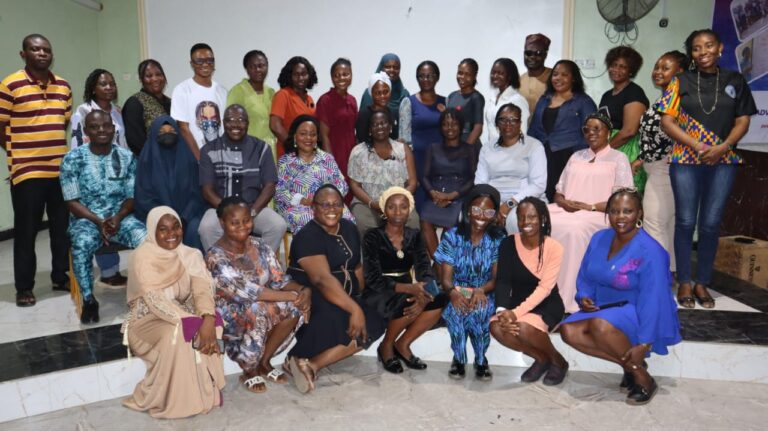
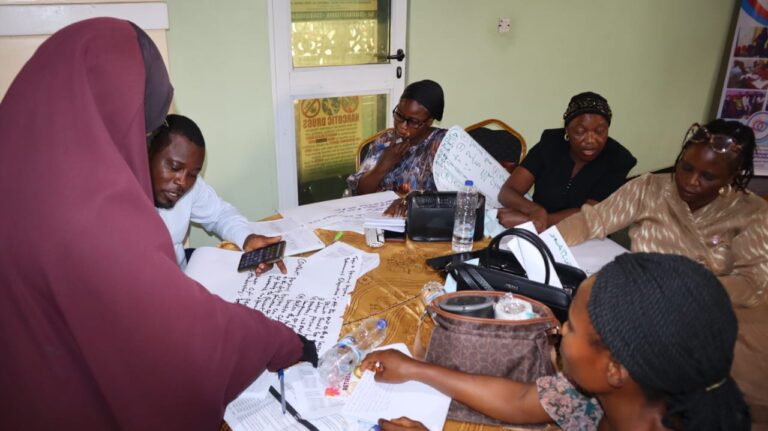
The training, held from March 17th to 19th, 2026, at Ragaray Hotel, Ogbomosho, Oyo State, involved 20 teachers selected from 10 schools across five Local Government Areas, 20 healthcare workers selected from 10 Primary Health Care (PHC) facilities, four teachers, and two healthcare workers who replaced those transferred from the implementing schools and PHCs. Key project staff from PLAN Foundation also participated in the training. The workshop created a dynamic platform for cross-sectoral learning, collaboration, and experience sharing.
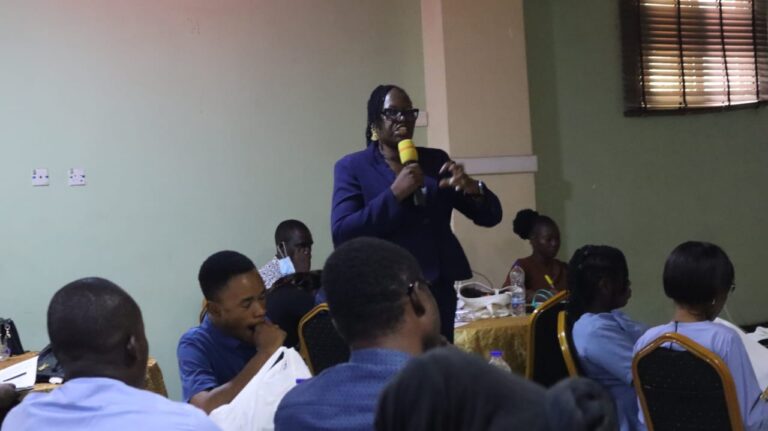
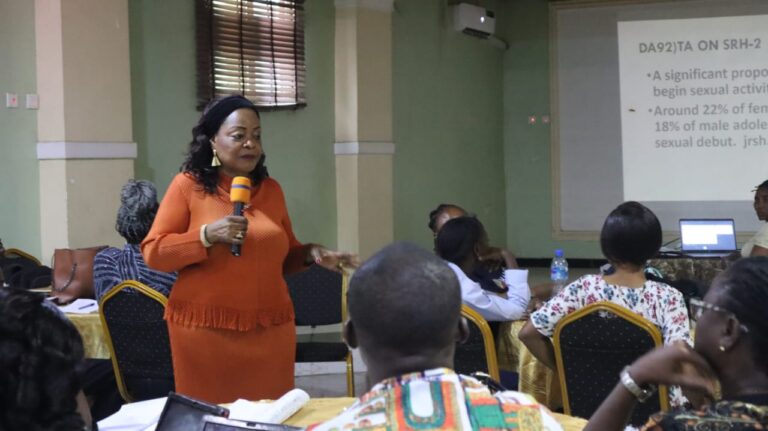
The sessions were facilitated by seasoned public health experts, Dr. Stella Akinso and Dr. Patricia Ogunmola, whose wealth of experience and participatory facilitation style enriched the learning process with practical, real-life applications and evidence-based approaches.
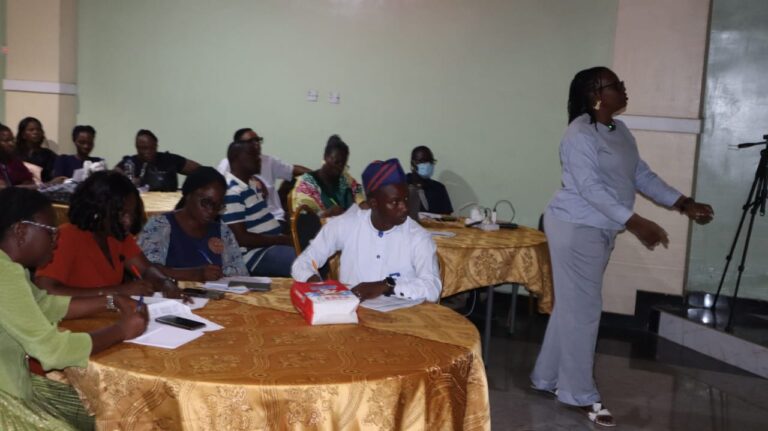
DAY ONE
Facilitators highlighted the importance of CSE in promoting healthy development, enabling young people to understand puberty, build self-confidence, and develop positive attitudes toward their bodies and relationships. The sessions further explored how effective CSE contributes to reducing unintended pregnancies, preventing sexually transmitted infections (STIs), including HIV, and addressing high risk behaviors. In addition, participants were introduced to essential life skills embedded in CSE, such as decision-making, negotiation, communication, and understanding consent.
Interactive discussions on values clarification were also facilitated by Dr. Stella Akinso, where she examined how personal beliefs, cultural norms, and societal expectations can influence attitudes toward sexuality and reproductive health. This session was particularly impactful in addressing myths and misconceptions about adolescent sexuality, reinforcing the need for educators and healthcare providers to adopt non-judgmental, evidence-based approaches in their work.
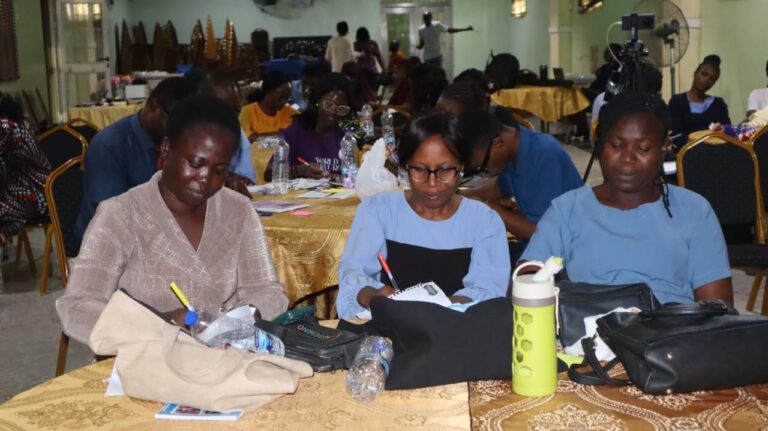
Further sessions on adolescent development provided in-depth insights into the physical, emotional, cognitive, and psychological changes that occur during puberty. Participants explored practical strategies for supporting adolescents through these transitions, including creating safe spaces for dialogue and providing accurate guidance. The day concluded with hands-on micro-teaching sessions, where participants practiced delivering CSE lessons using participatory and youth-friendly methodologies, receiving constructive feedback to improve their facilitation skills.
DAY TWO
Building on the foundation established on Day One, the second day focused on adolescent sexual and reproductive health (ASRH) issues and effective service delivery. Participants received comprehensive training on the anatomy and physiology of the male and female reproductive systems, menstruation, fertilization, and pregnancy. These sessions were designed to strengthen both knowledge and confidence in communicating complex biological concepts in simple and relatable ways.
Critical ASRH challenges such as unintended pregnancy, unsafe abortion, and sexually transmitted infections (STIs), including HIV, were extensively discussed. Facilitators provided up-to-date information on prevention strategies, early detection, and management, while also addressing stigma and discrimination that often hinder young people from seeking care. The sessions also explored the influence of gender norms, power relations, peer pressure, and socio-economic factors on adolescents’ sexual behaviors and health outcomes.
A strong emphasis was placed on rights-based approaches to SRH, highlighting the fundamental rights of adolescents to access accurate information, confidential services, and respectful care. Participants were equipped with strategies for delivering inclusive, age-appropriate, and gender-sensitive education. Additional sessions focused on sexual consent, healthy relationships, prevention of sexual and gender-based violence (SGBV), and effective communication skills. The day ended with reflective discussions, allowing participants to share insights, challenges, and practical applications relevant to their various contexts.
DAY THREE
On the final day, attention shifted to strengthening the delivery of youth-friendly health services. Participants were introduced to a wide range of contraceptive methods, including short-term, long-term, and permanent options such as intrauterine devices (IUDs), implants, injectables, barrier methods, natural family planning methods, and sterilization. Discussions centered on effectiveness, advantages, possible side effects, and the importance of informed choice and client-centered counseling.
The facilitators emphasized the need for healthcare providers to offer confidential, non-judgmental, and adolescent-friendly services, particularly in STI testing, counseling, and treatment. Participants learned practical approaches to creating welcoming environments within health facilities that encourage young people to seek care without fear of stigma or discrimination.
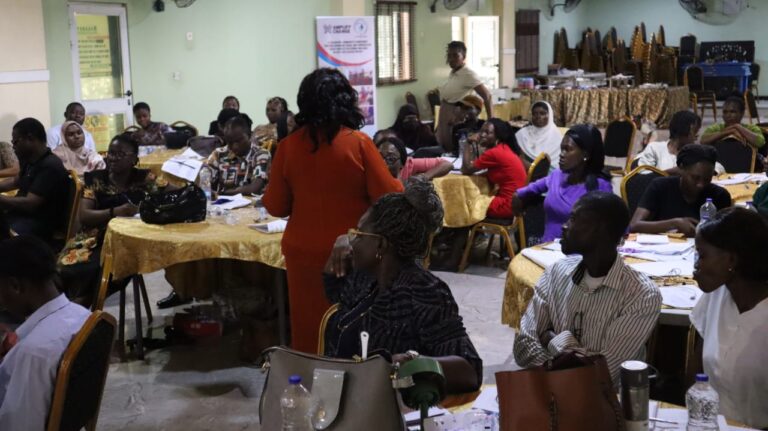
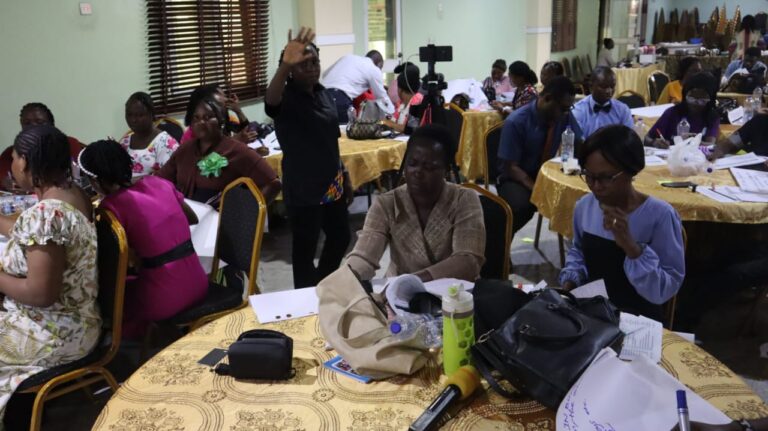
CONCLUSION
The training concluded with an evaluation session, where participants reflected on their learning outcomes, shared commitments, and developed action plans for applying the knowledge and skills acquired. Overall, the workshop significantly enhanced the capacity of both teachers and healthcare workers to deliver comprehensive sexuality education and youth-friendly SRH services effectively.
By equipping frontline service providers with practical skills, accurate knowledge, and culturally responsive approaches, the ACCESS Project continues to contribute meaningfully to improving adolescent and youth health outcomes across Oyo State. The training further reinforces PLAN Foundation’s commitment to promoting informed decision-making, reducing health risks, and advancing the well-being of women and girls through sustainable, community-driven interventions.
About Us

PLAN Health Advocacy and Development Foundation (PLAN Foundation), was the first independent support group for people with HIV (PHIV) in Oyo State in Southwestern Nigeria. It is on record that we had the opportunity to participate actively and notably in most of these processes.